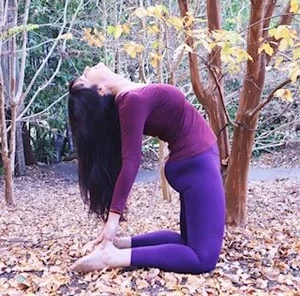
Best Yoga for Back Pain & Sciatica
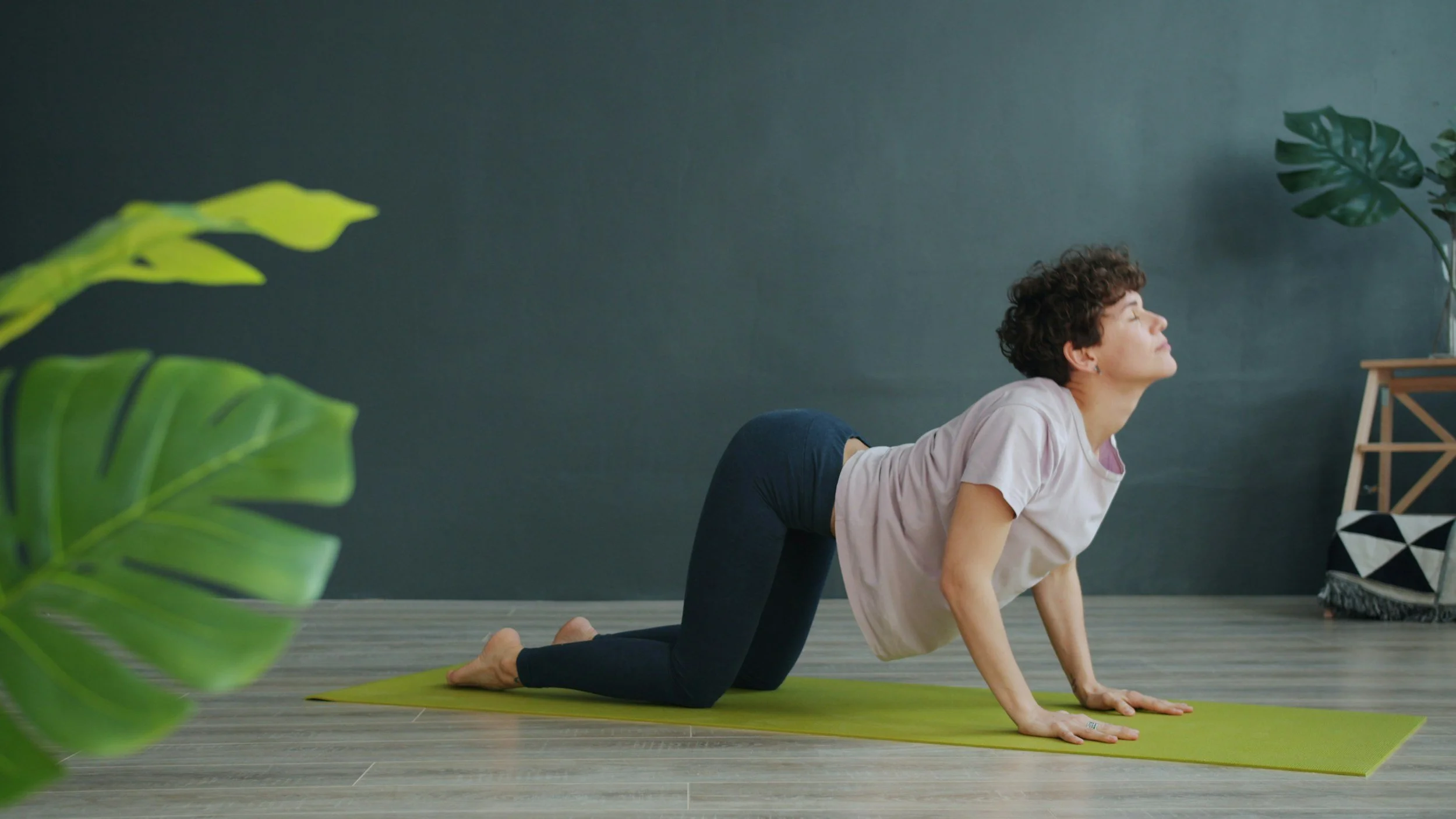
Yoga Cat-Cow pose Back pain relief | Kevala Health
Gentle Stretches for Back Pain & Sciatica (Safe at Home)
Back pain is incredibly common—and sciatica can feel especially frustrating. If you’ve been dealing with tightness, aching, or pain that travels into your leg, you’re not alone. The good news? Gentle yoga can support mobility, posture, and comfort, helping you build strength and reduce stiffness over time.
At Kevala Health, we focus on safe alignment, slow mindful movement, and easy modifications—so you can practice with confidence at home. If you’re practicing live online, you can also request adjustments at the beginning of class for extra support.
Important safety note: If your pain is acute or worsening, or you have ongoing symptoms, it’s best to seek advice from a health professional. Don’t push through sharp pain—during yoga, aim for a gentle stretch, not pain.
What helps most: balance of strength + mobility
Many back issues come from a mix of factors like:
• long periods of sitting
• tight hamstrings and hips
• weak core support
• poor lifting or movement habits
• age-related changes and stiffness
Gentle yoga helps by combining:
• stretching to release tight areas
• strengthening to support the back and spine safely
• breathing and alignment to reduce tension
For sciatica, the goal is usually to find positions that reduce nerve irritation and improve comfort—this differs person to person.
A safe beginner approach for back pain & sciatica
Try this approach during your practice:
• Move slowly and change positions gradually
• Use modifications (bends, props, supported poses)
• Keep breathing steady
• If a stretch increases leg symptoms (tingling, burning, shooting pain), stop and switch to a gentler option
Best yoga stretches for back pain (and sciatica comfort)
Below are gentle options commonly used in back-care yoga. Start with only what feels good for your body.
1) Cat–Cow (spinal mobility)
This helps warm up the spine and improve movement.
• Hands and knees position
• Inhale gently to arch (Cow)
• Exhale to round (Cat)
Repeat slowly for 6–10 rounds.
Tip: Keep the movement small and controlled.
2) Cobra (gentle back extension)
Back pain often improves with gentle extension when it feels safe.
• Lie on your stomach
• Press lightly through your hands
• Lift the chest slightly (keep it comfortable)
If cobra irritates your symptoms, do a smaller lift or skip it.
3) Modified Downward Dog (legs bent)
A modified version can be a friendlier way to open the back and hamstrings.
• Hands on mat
• Bend knees to reduce tension in hips/hamstrings
• Press hips back and breathe
This is a great option if straight legs feel too intense.
4) Low Lunge (hip release + support)
This helps stretch the hip flexors and supports better movement.
• Step one foot forward
• Keep the back knee down if needed
• Stay upright and breathe
If the front-of-hip stretch increases leg pain, reduce the lunge depth.
5) Seated Twist (gentle only)
Twists can improve mobility, but they should be subtle and pain-free.
• Sit tall
• Twist gently from the torso
• Hold for a few breaths
For sciatica: if twisting increases symptoms in the leg, avoid or keep it very small.
6) Gentle forward bend with bent knees
Forward bends can relieve tension, especially when knees stay bent.
• Stand and fold forward gently
• Keep knees soft
• Breathe into your back body
Avoid forcing depth—comfort comes first.
A simple 15-minute at-home routine (starter session)
Try this once or twice per week:
1. Cat–Cow – 2 minutes
2. Child’s Pose (rest) – 1–2 minutes (optional)
3. Modified Downward Dog – 2–3 minutes
4. Low Lunge (both sides) – 3 minutes
5. Seated gentle twist (only if comfortable) – 2 minutes
6. Legs-up relaxation (or a supported rest position) – 3–5 minutes
Always end with a rest so your body can “absorb” the benefits.
What to avoid when you have back pain or sciatica
To keep your practice safer:
• Avoid strong backbends if they worsen symptoms
• Be cautious with deep twisting
• Don’t push through sharp pain
• If a pose increases leg symptoms, replace it with a gentler movement
Kevala Health guidance often focuses on alignment-first practice, moving slowly and using simple modifications for extra comfort.
Where to start (especially if you’re unsure)
If you’re new to yoga or your sciatica symptoms are changeable, start small:
• 2 yoga sessions per week (short and gentle)
• add one supportive core-focused class if recommended
• practice with support—live online allows guidance and modifications
Want gentle back-care support with real instruction?
If you’re in the Russell Island area, you can practice live online with Kevala Health. You’ll learn safer alignment, slower movement, and simple options that help you feel supported—not pushed.
Ready to begin? Try a guided 7-day free trial of Pilates and Yoga and find what works for your body.