How to Improve Flexibility After 50: Safe Ways
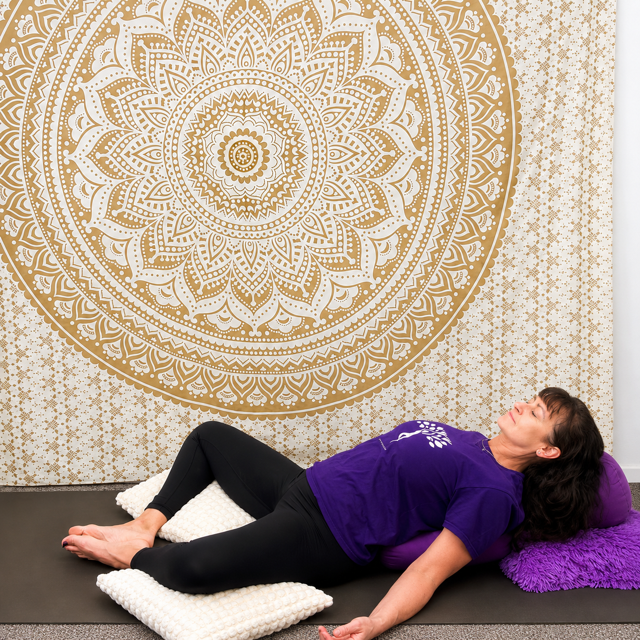
Jodie demonstrating the gentle butterfly restorative yoga pose to help improve flexibility and calm the mind.
How to Improve Flexibility After 50: Your Body Moving
Have you noticed that your body doesn’t move quite the way it used to?
Maybe reaching overhead feels harder, your hips feel tighter, or getting down onto the floor and back up takes a little more effort than it once did.
These changes are common as we age, but they don’t mean we have to accept losing our mobility.
Our bodies are designed to move, adapt and become stronger at every stage of life.
With regular, gentle movement, women over 50 can improve flexibility, maintain mobility and feel more comfortable and confident in everyday activities.
Yoga and Pilates are wonderful ways to support your body as it changes, helping you move with more freedom while respecting where your body is today.
Why Does Flexibility Change As We Age?
As we get older, natural changes occur in our muscles, joints and connective tissues.
Some common reasons we may feel less flexible include:
Spending more time sitting
Reduced muscle strength
Less daily movement
Changes in posture
Increased muscle tension
Previous injuries or areas of stiffness
Many women also notice changes around menopause, including changes in muscle mass, recovery and how their joints and body feel.
The good news?
Flexibility can be improved at any age.
Why Flexibility Matters After 50
Flexibility is not about being able to do advanced yoga poses or touch your toes.
It is about having enough comfortable movement to enjoy everyday life.
Good mobility can help you:
Move more easily
Maintain independence
Improve posture
Reduce feelings of stiffness
Perform everyday tasks with more confidence
Continue activities you enjoy
Simple movements like walking, gardening, playing with grandchildren or getting dressed can all feel easier when your body moves well.
The Difference Between Flexibility and Mobility
Flexibility and mobility are often used together, but they are slightly different.
Flexibility is the ability of a muscle to lengthen and stretch.
Mobility is your ability to move a joint through its available range of motion with control and strength.
As we age, we need both.
This is why a combination of yoga and Pilates can be so beneficial.
Yoga helps improve flexibility, relaxation and body awareness.
Pilates helps build strength, stability and control around the joints.
Together, they create a balanced approach to healthy ageing.
How Yoga Can Improve Flexibility After 50
Yoga uses slow, mindful movements and stretches that can help release areas where we commonly hold tension.
Regular yoga practice can support:
Hip mobility
Many people experience tight hips from sitting more often.
Gentle hip-opening movements can help create more comfort and freedom of movement.
Shoulder and upper body flexibility
Stress, posture and computer use can contribute to tight shoulders and neck tension.
Yoga encourages better posture and gentle opening through the upper body.
Spinal movement
Keeping the spine moving comfortably is important for everyday activities like twisting, bending and reaching.
How Pilates Supports Flexible, Strong Bodies
Pilates focuses on controlled movements that strengthen the muscles supporting your joints.
A stronger body often moves better.
Pilates can help improve:
Core strength
Posture
Balance
Coordination
Body awareness
When muscles are stronger and working well together, movement can feel easier and more comfortable.
Simple Ways to Improve Flexibility Every Day
You don’t need hours of exercise to support your mobility.
Small daily habits can make a difference:
Move gently each morning
A few minutes of stretching can help wake up your body and prepare you for the day.
Avoid staying in one position too long
Regular movement breaks help prevent your body from becoming stiff and tight.
Breathe and relax into movement
Holding your breath or forcing a stretch can create unnecessary tension.
Gentle breathing helps your body relax and move more comfortably.
Be consistent
Flexibility improves with regular practice, not occasional effort.
A little movement done often is more beneficial than pushing too hard once in a while.
You Are Never Too Old To Start Moving Better
Many women avoid yoga or Pilates because they believe they are:
too stiff
too old
not flexible enough
not fit enough
But flexibility is not something you need before you begin.
It is something you can gradually develop through safe, supportive movement.
At Kevala Health, our online yoga and Pilates classes are designed for real bodies and real lives, with beginner-friendly options and modifications so you can move at your own pace.
Keep Your Body Moving For The Years Ahead
Ageing well is about looking after the body you have today.
Through gentle yoga, Pilates and regular movement, you can continue building flexibility, strength and confidence.
Your body is always capable of positive change.
Start where you are, listen to your body, and enjoy the journey of moving better.
Explore Kevala Health’s beginner-friendly online yoga and Pilates classes and discover how gentle movement can help you feel stronger, more flexible and more confident after 50.
Continue Your Healthy Ageing Journey
If you enjoyed this article, you might also like:
Ready to Move with Confidence?
Join our welcoming live online Yoga and Pilates classes from anywhere in Australia.
Enjoy a 7-Day FREE Trial and discover how regular movement can help you feel stronger, more mobile and more confident every day.