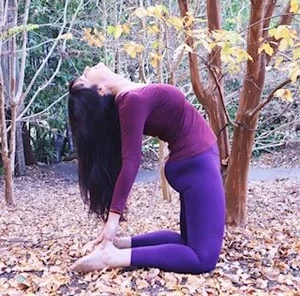
Slowing Down to Help Body and Mind
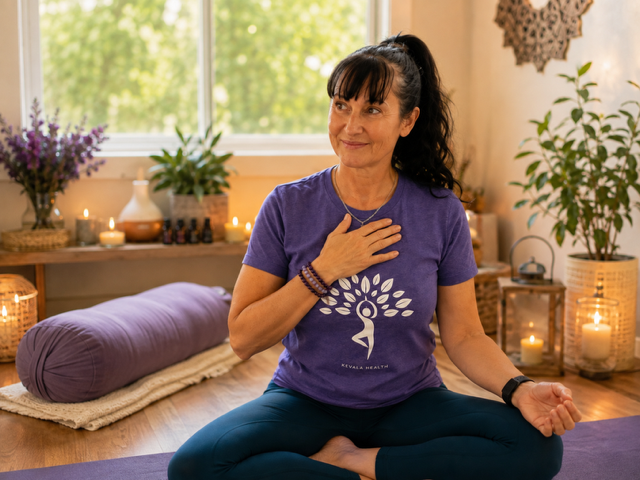
Slowing down in my special room with candles and yoga props
Understanding Your Nervous System
Why Slowing Down Helps Your Body and Mind
Have you ever noticed that when life becomes busy, your shoulders tighten, your breathing becomes shallow and it’s harder to switch off?
You’re not imagining it.
Our bodies are designed to respond to challenges, but in today’s busy world many of us spend so much time rushing from one task to the next that we rarely give ourselves permission to slow down.
One of the things I enjoy sharing in my yoga and Pilates classes is that looking after your wellbeing isn’t always about doing more.
Sometimes it’s about slowing down enough to allow your body and mind to recover.
What Is the Nervous System?
Your nervous system is your body’s communication network.
It constantly sends messages between your brain and the rest of your body, helping control everything from movement and breathing to your heartbeat, digestion and sleep.
It also helps you respond to different situations throughout the day.
Sometimes you need energy and alertness.
At other times you need rest, recovery and relaxation.
Both are important.
Why Stress Can Affect the Whole Body
When we’re under pressure, our body naturally prepares us to deal with the situation.
You might notice:
Faster breathing.
Tight shoulders or neck.
A racing mind.
Feeling restless.
Difficulty relaxing.
Poor sleep.
These are normal responses to stress.
The challenge comes when we spend long periods feeling this way without taking time to slow down and recover.
A Simple Word You May Have Heard: The Vagus Nerve
You may have heard people talking about the vagus nerve.
It’s one of the major nerves in the body and forms part of the system that helps us rest, recover and return to a calmer state after stressful situations.
While we can’t simply “switch it on,” many healthy habits that encourage relaxation—such as slow breathing, gentle movement, mindfulness and good sleep—can support the body’s natural ability to settle after stress.
Small Daily Habits That Help Me Slow Down
Over the years I’ve learned that it’s often the little things that make the biggest difference.
Some of my favourite ways to slow down include:
Practising yoga.
Gentle Pilates.
Slow breathing exercises.
Meditation.
Spending time in my edible garden.
Listening to the birds.
Diffusing essential oils.
Sitting quietly with a cup of coffee or fresh juice.
Reading a good book.
These moments help me feel more present and remind me that I don’t always have to be busy.
The Power of Your Breath
One of the simplest tools we have is our breath.
When we’re stressed, we often breathe quickly without even realising it.
By slowing our breathing and allowing each breath to become a little gentler, many people notice they begin to feel calmer.
This is why breathing is an important part of every yoga and Pilates class I teach.
It helps bring awareness back to the present moment while encouraging the body to release unnecessary tension.
Gentle Movement Matters
Exercise doesn’t always need to be intense.
Gentle movement can help you reconnect with your body, improve mobility and create a sense of wellbeing.
Yoga, Pilates and walking are wonderful ways to move while also creating space to breathe and slow down.
Nature Has a Way of Calming Us
One of my favourite places to unwind is in my garden.
Watching flowers bloom, tending to herbs and vegetables, and simply listening to the sounds of nature helps me feel grounded.
Sometimes stepping outside for just a few minutes is enough to help clear a busy mind.
Sleep Is Part of Recovery
When we rest well, our bodies have time to recover from the day.
Creating a relaxing evening routine, reducing stimulation before bed and making time to unwind can all support better sleep.
Healthy ageing isn’t only about how we move during the day—it’s also about how well we recover at night.
You Don’t Need to Do Everything
One of the biggest lessons I’ve learned is that wellbeing isn’t about doing everything perfectly.
You don’t need a complete lifestyle makeover.
Choose one small habit.
Perhaps it’s taking five slow breaths before your day begins.
Maybe it’s enjoying your morning coffee outside.
Or spending ten minutes in the garden.
Small, consistent habits often have the greatest impact.
My Personal Reflection
As I’ve become older, I’ve realised that slowing down isn’t a sign of weakness.
It’s one of the healthiest things we can do.
Yoga has taught me to become more aware of my breathing.
Meditation has helped me quieten a busy mind.
Gardening reminds me to enjoy the present moment.
Together, these simple practices have become an important part of my own wellbeing journey, and I’m grateful to be able to share them with others through Kevala Health.
Final Thoughts
Your nervous system works hard every single day.
By making time to breathe, move, rest and spend time in nature, you’re giving your body the opportunity to recover and recharge.
Healthy ageing isn’t about rushing through life.
Sometimes the greatest gift we can give ourselves is permission to slow down.
Continue Your Healthy Ageing Journey:
Kevala Health Shop (Essential Oil Roller Blends)
7-day Free trial on lie online Yoga & Pilates