Women’s chat about pelvic floor health
Pelvic Floor Health: Why It Matters More Than You Think
Strong foundations for every stage of a woman’s life
When people hear the words pelvic floor, they often think it’s only something to worry about after having children. In reality, your pelvic floor muscles support you throughout every stage of life, especially during perimenopause, menopause and beyond.
A healthy pelvic floor helps support your bladder, bowel and pelvic organs, improves balance and stability, and can even contribute to better posture and confidence in movement.
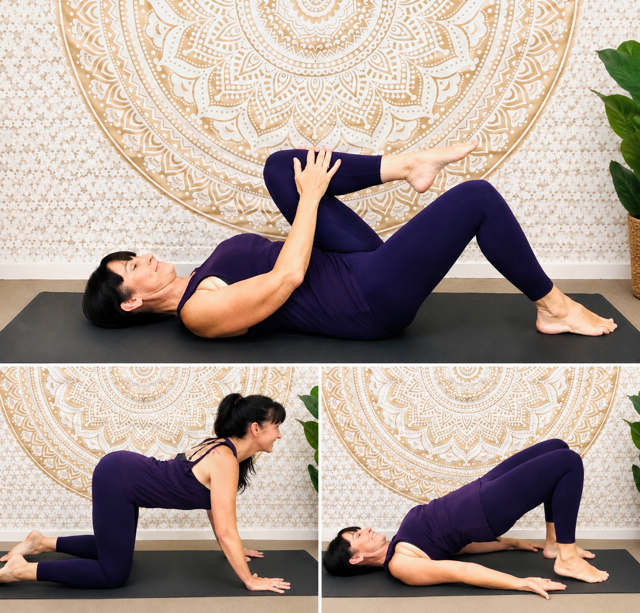
The good news? Gentle exercise, including yoga and Pilates, can help strengthen and support these important muscles.
What is the pelvic floor?
Your pelvic floor is a group of muscles that stretches like a hammock across the base of your pelvis. These muscles support your bladder, bowel and uterus while helping you control bladder and bowel function.
Like any other muscles in your body, they need regular care and exercise to stay healthy.
Signs your pelvic floor may need attention
You may notice:
Leaking urine when coughing, laughing or sneezing
Needing to rush to the toilet
Difficulty controlling your bladder
A feeling of heaviness in the pelvis
Reduced core strength
Lower back discomfort
These changes are common, but they aren’t something you simply have to accept as part of aging.
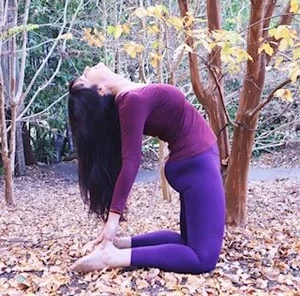
Gentle movement improves body awareness and teaches you how to engage your core and pelvic floor together.
Many yoga and Pilates exercises encourage:
Better posture
Improved core stability
Gentle strengthening
Better breathing patterns
Increased flexibility
Reduced tension in the hips and lower back
Using mindful breathing alongside movement also helps the pelvic floor work more effectively.
Everyday habits that support pelvic floor health
Simple lifestyle changes can make a big difference:
Stay physically active.
Avoid long periods of sitting.
Maintain good posture.
Lift heavy objects carefully.
Manage constipation with plenty of fibre and water.
Maintain a healthy weight.
Practice breathing exercises to reduce unnecessary tension.
Small daily habits often have the greatest long-term benefits.
It’s never too late to start
Whether you’re in your 40s, 50s, 60s or beyond, improving pelvic floor health can enhance your confidence and quality of life.
The key is consistency rather than intensity. Gentle movement practised regularly is often far more beneficial than occasional strenuous exercise.
Ready to move with confidence?
Our live online yoga and Pilates classes are designed for women of all ages and abilities. Every class includes options and modifications using props such as blocks, bolsters, blankets and straps, so you can move safely and comfortably from home.
Enjoy a FREE 7-day trial and discover how gentle movement can help you feel stronger, more balanced and more confident every day.
Continue Your Healthy Aging Journey
If you found this article helpful, explore these related articles from our Healthy Aging Hub to support your health, mobility and wellbeing.
Why strength training is so important for menopausal women