Getting Back into Exercise When Unfit!
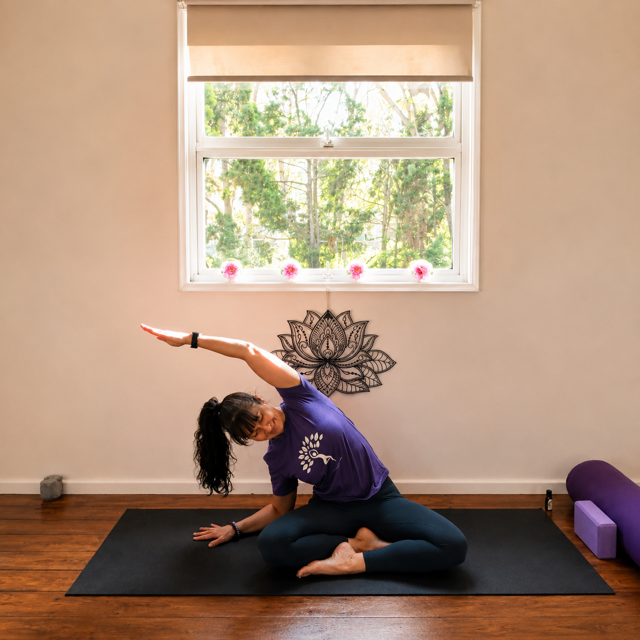
Jodie teaching a gentle seated side stretch for the back
A Gentle Beginner’s Guide to Exercise if Unfit!
If you haven’t exercised for a long time, getting started again can feel surprisingly daunting.
You might be thinking:
I’m too unfit.
Everyone else will be fitter than me.
I won’t be able to keep up.
Maybe I should get fitter before I join a class.
If any of those thoughts sound familiar, you’re certainly not alone.
After more than 20 years of teaching, I’ve met many people who felt nervous before taking that first step back into exercise.
And one of the most important things I want beginners to know is this:
You don’t need to get fit before you start exercising. You start where you are.
Forget About Keeping Up With Everyone Else
One of the biggest worries beginners have about joining an exercise class is being the least fit person in the room.
But exercise isn’t a competition.
In my Kevala Health classes, I encourage everyone to work at their own level.
One person might use heavier weights while another uses lighter ones.
Someone may take a break.
Another person might modify an exercise because of their knees, wrists or back.
All of those options are okay.
Your workout belongs to you.
Start Smaller Than You Think You Need To
When people decide to get fit again, it’s tempting to change everything at once.
But you don’t need to go from doing very little exercise to exercising hard every day.
Starting with a short walk, a gentle beginner class or even 10–15 minutes of purposeful movement can be a perfectly reasonable beginning.
Give your body time to adapt.
As your fitness and confidence improve, you can gradually do more.
Consistency is more important than trying to do too much too soon.
Choose Movement You Actually Enjoy
Exercise doesn’t have to mean running, joining a gym or doing a workout that leaves you exhausted.
There are many ways to move.
You might enjoy:
Beginner Pilates
Gentle yoga
Walking
Low-impact cardio
Light hand weights
Resistance bands
Swimming
Dancing
Gardening
Finding something you enjoy makes it much easier to keep movement in your life.
Low-Impact Exercise Still Counts
There’s sometimes a belief that exercise only “counts” if it’s hard.
It doesn’t.
Low-impact exercise can still challenge your muscles, improve your fitness, support your balance and mobility, and help you become stronger for everyday life.
You don’t have to jump or run.
You don’t have to lift heavy weights.
And you certainly don’t have to finish every workout exhausted.
The aim is to find an appropriate level of challenge for your body today.
Don’t Be Afraid to Modify an Exercise
Modifications aren’t a sign that you’re failing at an exercise.
They’re simply another way of doing it.
I regularly offer different options in my classes because no two bodies are exactly the same.
Some people need extra support for their knees.
Some avoid putting too much weight through their wrists.
Others need to be careful with their backs.
You might reduce your range of movement, use a chair for balance, choose lighter weights, take a break or do a completely different exercise.
Making an exercise work for your body is much more important than making your body fit the exercise.
Pilates Can Be a Great Place to Begin
Pilates can be particularly useful when you’re returning to exercise because movements can often be adapted to different levels.
Beginner-friendly Pilates can help you gradually work on:
Core strength
Leg and upper-body strength
Balance
Mobility
Posture and body awareness
Coordination
Confidence with movement
You don’t need previous Pilates experience to begin.
Gentle Yoga Is Another Option When Unfit
If you’re feeling stiff or nervous about movement, gentle yoga may also be a comfortable starting point.
Yoga isn’t about being flexible enough to perform complicated poses.
A beginner-friendly class can introduce you to gentle movement, balance, breathing and relaxation while allowing you to work within your own comfortable range.
And yes — you can bend your knees!
Strength Is Important Too
As we get older, maintaining muscle strength becomes increasingly important for everyday life.
That doesn’t mean you need to start with heavy weights.
Body-weight exercises, resistance bands, Pilates and light hand weights can all introduce strengthening work gradually.
Think about what you want your body to keep doing.
Getting out of a chair comfortably.
Carrying the shopping.
Climbing stairs.
Gardening.
Playing with the grandchildren.
Travelling.
Getting up and down from the floor.
Exercise isn’t just about what happens during a workout. It’s about supporting the life you want to live outside it.
What If I Get Out of Breath?
If you’ve been inactive for some time, it’s normal for exercise to feel challenging at first.
You may need more breaks than someone who has been exercising regularly.
Take them.
As your fitness improves, you may notice that activities gradually become easier.
However, stop exercising and seek appropriate medical advice if you experience concerning symptoms such as chest pain, severe or unusual shortness of breath, dizziness or feeling faint.
If you have a health condition or you’re unsure whether a particular type of exercise is appropriate for you, speak with an appropriate qualified health professional before starting.
Don’t Wait Until You Feel “Ready”
Sometimes the hardest part of getting back into exercise isn’t physical.
It’s walking through the door for the first time.
You may feel nervous.
You may feel self-conscious.
You may wonder whether you’ll fit in.
That’s why I believe a supportive environment matters so much.
You don’t need to arrive strong, flexible or fit.
That’s what you’re coming to work on.
Start gently, be patient with yourself and celebrate the small improvements along the way.
Your first goal doesn’t have to be getting fit.
It can simply be starting.
Ready to Take That First Step?
Explore my Pilates for Beginners information for a gentle introduction to Pilates, or visit Timetable & Prices to see Kevala Health’s beginner-friendly classes on Russell Island and live online.
You can also explore Move Better Every Day for more practical tips on staying active, strong and confident as you get older.
Important: This article provides general exercise and wellbeing information only. If you have a medical condition, significant pain or injury, or concerns about returning to exercise, seek advice from an appropriate qualified health professional before beginning a new exercise program.