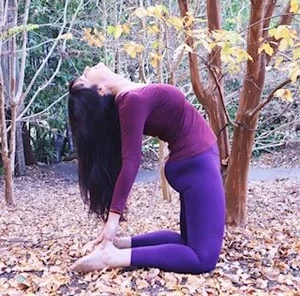
Why We Hold Stress in Neck & Shoulders
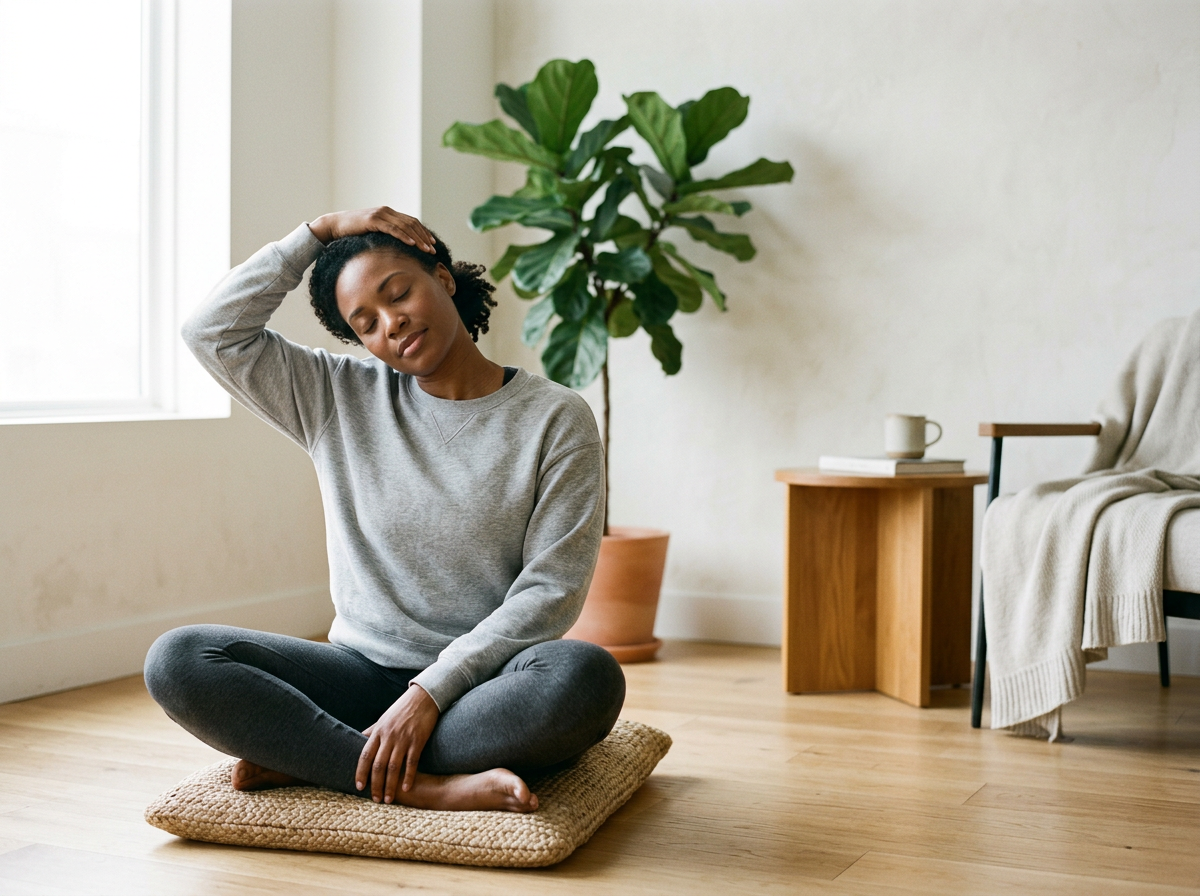
Gentle seated neck stretches to relieve a tight neck
Why We Hold Stress in Our Neck and Shoulders (And How to Release It Naturally)
Have you ever noticed that when life feels stressful, your shoulders seem to creep up towards your ears?
Or perhaps your neck feels stiff after a busy day, even though you haven’t done anything physically demanding.
You’re certainly not alone.
Many of us carry our stress in our neck and shoulders without even realising it. The good news is that once we become aware of this tension, there are gentle ways to help release it and feel more comfortable.
Why Does Stress Affect the Neck and Shoulders?
When we feel stressed or anxious, our body’s natural response is to prepare for action.
Our muscles tighten to protect us, our breathing often becomes shallower, and we may unconsciously tense our shoulders.
This response can be helpful in short bursts, but when stress continues for days or weeks, those muscles can remain tight, leading to discomfort and reduced mobility.
Signs You’re Holding Stress in Your Body
You may notice:
● Tight or aching shoulders.
● A stiff neck.
● Tension headaches.
● Jaw clenching.
● Rounded shoulders and poor posture.
● Shallow breathing.
● Feeling like you need to constantly stretch.
These are common signs that your body may be carrying more stress than you realise.
Gentle Ways to Release Neck and Shoulder Tension
Become Aware
The first step is simply noticing.
Several times throughout the day, ask yourself:
“Are my shoulders relaxed?”
If they’re lifted, gently allow them to soften and drop away from your ears.
This simple habit can make a surprising difference.
Breathe Deeply
Slow, steady breathing helps calm both the mind and the body.
Try breathing in through your nose and making your exhale slightly longer than your inhale.
As you breathe out, imagine the tension melting from your neck and shoulders.
Stretch Regularly
Gentle neck stretches, shoulder rolls, and upper back movements can help improve flexibility and reduce stiffness.
The key is to move slowly and never force a stretch.
Your body responds best to kindness, not pressure.
Practise Yoga
Yoga encourages us to release unnecessary tension while improving posture, mobility, and body awareness.
Many people notice that after a gentle yoga class, their shoulders feel lighter and their breathing feels easier.
That’s because yoga works with both the body and the nervous system.
Strengthen Your Posture
Pilates helps strengthen the muscles that support good posture.
As these muscles become stronger, everyday activities often feel easier, and unnecessary strain on the neck and shoulders can be reduced.
Good posture isn’t about standing rigidly.
It’s about moving with strength, balance, and ease.
Create a Relaxation Ritual
At the end of the day, give yourself permission to unwind.
You might:
● Diffuse a calming essential oil.
● Apply a relaxing roller blend.
● Take a warm shower.
● Spend five minutes stretching.
● Sit quietly with a cup of herbal tea.
● Listen to calming music.
Small rituals can signal to your body that it’s time to let go of the day’s stress.
My Experience
Over the years, I’ve learnt that stress doesn’t just affect our thoughts—it shows up in our bodies too.
Whenever I notice tension building in my shoulders, it’s usually a reminder that I need to slow down, take a few deep breaths, and reconnect with the present moment.
Yoga has taught me that when we become aware of our bodies, we can often notice stress long before it becomes overwhelming.
That awareness allows us to respond with kindness rather than simply pushing through.
Final Thoughts
We can’t always remove the stresses of daily life.
But we can change the way we respond to them.
By slowing down, breathing deeply, moving gently, and taking regular moments to relax, we can help release the tension that so often settles in our neck and shoulders.
Healthy ageing isn’t about never feeling stressed.
It’s about giving ourselves the tools to recover, restore, and move through life with greater ease.
Sometimes the biggest difference comes from the smallest daily habits.
Be kind to your body—it carries you through every stage of life.