Your Nervous System Affects Healthy Ageing
Let’s chat about the nervous system and how it affects ageing
How Your Nervous System Affects Healthy Ageing
Have you ever felt like your mind just won’t switch off? Your shoulders feel tight, your breathing becomes shallow, and even after a good night’s sleep, you still wake up feeling exhausted.
If this sounds familiar, you’re not alone.
As we move through our 50s and beyond, many women experience increased stress from work, family responsibilities, menopause, caring for ageing parents, or simply the fast pace of everyday life. Over time, this constant pressure can affect both our physical and emotional well-being.
The good news is that there are gentle, natural ways to support your nervous system and help your body return to a calmer, more balanced state.
What Is the Nervous System?
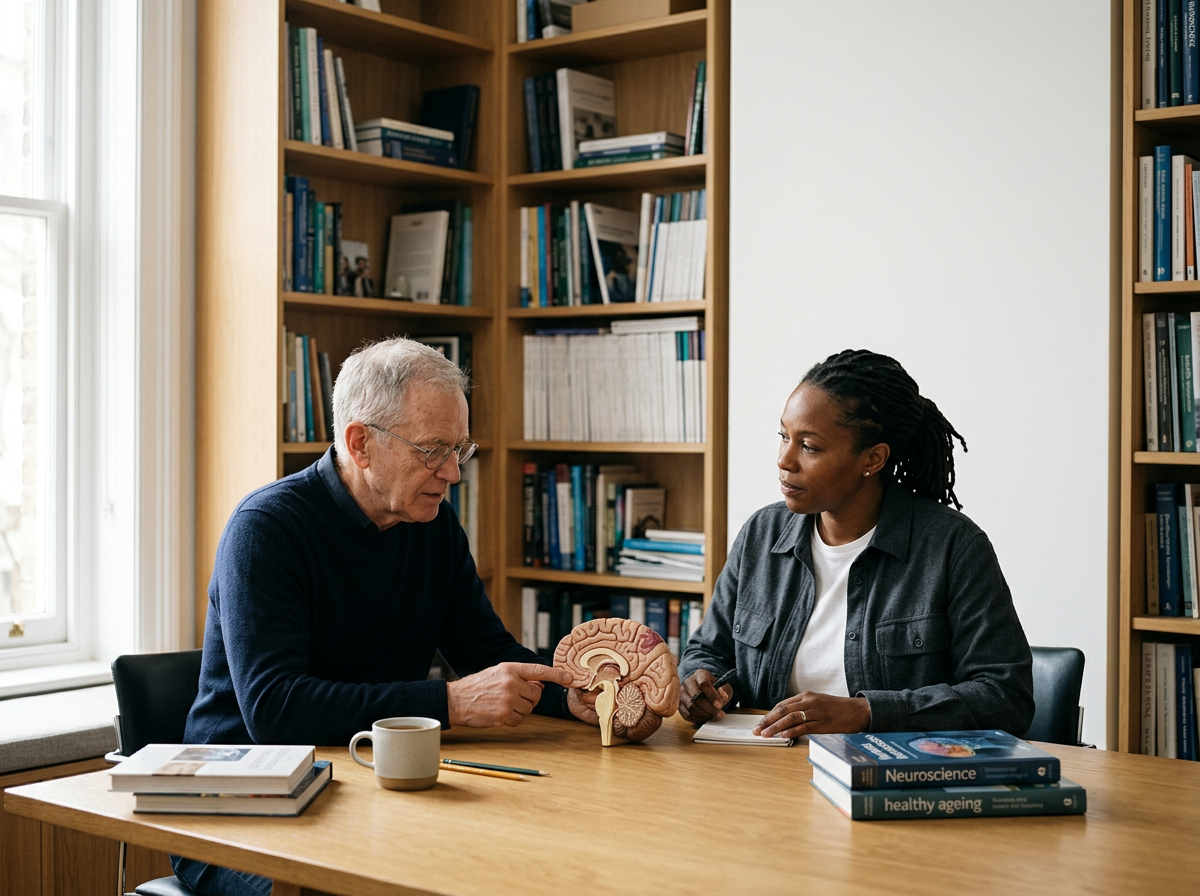
Think of your nervous system as your body’s communication network. It controls everything from your heartbeat and breathing to your digestion, sleep, emotions, and how you respond to stress.
When life feels overwhelming, your body activates its “fight or flight” response. This is designed to protect you during times of danger.
The problem is that many of us spend far too much time in this stressed state.
Signs Your Nervous System May Be Overloaded
You may notice:
Feeling anxious or overwhelmed.
Difficulty relaxing.
Poor sleep or waking during the night.
Tight shoulders, neck, or jaw.
Shallow breathing.
Fatigue despite getting enough rest.
Brain fog or difficulty concentrating.
Feeling emotionally drained.
These are your body’s way of asking you to slow down and take care of yourself.
Why Calming Your Nervous System Matters
When we regularly help our nervous system relax, we may notice improvements in many areas of our health, including:
Better sleep.
More balanced moods.
Improved focus and concentration.
Reduced muscle tension.
Increased energy.
Better digestion.
A greater sense of calm and well-being.
Healthy ageing isn’t only about staying physically active. It’s also about caring for our mental and emotional well-being.
Gentle Ways to Calm Your Nervous System
Slow, Deep Breathing
One of the quickest ways to calm the body is through slow breathing.
Whenever I begin to feel stressed, I pause for a few moments and simply focus on my breath.
A slow inhale followed by an even slower exhale helps bring me back to the present moment. It reminds my body that I am safe and allows some of that built-up tension to soften.
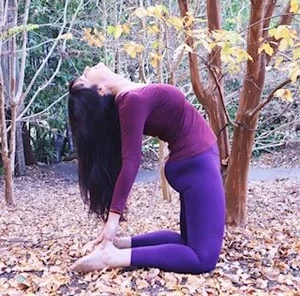
One of the reasons I love yoga is that it teaches us to slow down.
Rather than rushing through life, yoga encourages us to become more aware of our body, our breath, and our thoughts.
Over the years, yoga has helped me quiet a busy mind, improve my sleep, and develop greater awareness of what truly nourishes me—and what drains my energy.
That awareness has become just as valuable as the physical practice itself.
Gentle Movement
Movement doesn’t always need to be intense to be effective.
Walking, Pilates, stretching, or gentle yoga all encourage circulation, reduce stiffness, and help release physical tension that often builds up during stressful times.
Even ten to twenty minutes can make a noticeable difference.
Many people enjoy using essential oils as part of a calming daily ritual.
Whether diffused at home or applied through a roller blend, favorite oils such as lavender, frankincense, bergamot, or sweet orange can help create a peaceful environment that encourages relaxation and mindfulness.
Sometimes it’s the ritual itself—taking a moment to pause, breathe deeply, and be present—that brings the greatest benefit.
Make Time to Rest
Rest is not a reward.
It is an important part of healthy ageing.
Giving yourself permission to slow down allows both your body and mind the opportunity to recharge.
Sometimes the most productive thing we can do is simply rest.
A Simple Five-Minute Reset
The next time you feel overwhelmed, try this gentle routine:
Sit comfortably with both feet on the floor.
Inhale slowly through your nose for four counts.
Exhale gently for six counts.
Relax your shoulders.
Notice five things you can see around you.
Take a few more slow breaths before continuing with your day.
You may be surprised how much calmer you feel after just a few minutes.
Final Thoughts
Healthy ageing isn’t about doing everything perfectly.
It’s about creating small daily habits that help your body feel safe, supported, and cared for.
When we learn to calm our nervous system, we often sleep better, move more freely, think more clearly, and feel more connected to ourselves.
For me, yoga has been so much more than physical exercise. It has taught me to slow down, breathe deeply, become aware of what nourishes me, and gently let go of what no longer serves me.
These simple practices continue to support my own wellbeing every day, and I hope they inspire you to discover what helps you feel calm, balanced, and healthy too.
Remember, every deep breath, every mindful walk, every gentle stretch, and every quiet moment of rest is an investment in your future health.
Small steps, taken consistently, can lead to lasting change.
Continue Your Wellness Journey
🧘 Try our 7-day free trial on live online classes
💪 Explore Pilates Classes
👕 Shop Kevala Health Apparel
🌿 Visit the Healthy Ageing Hub