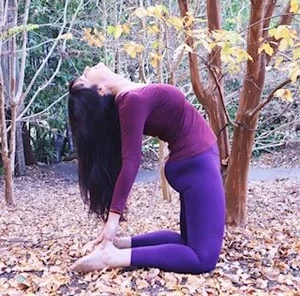
Meditation for Beginners Over 50
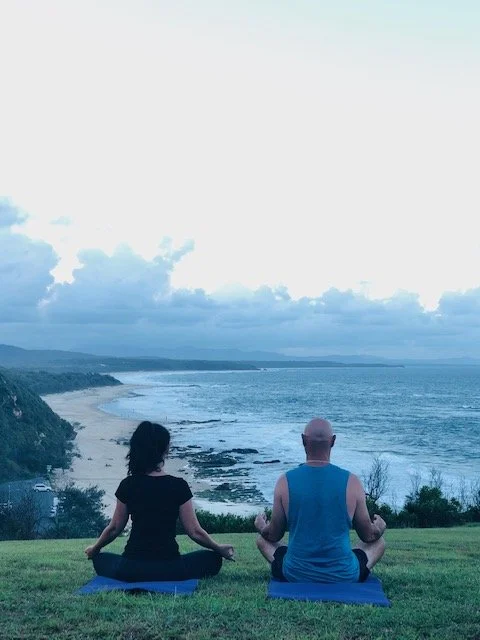
Meditation can be done anywhere and anytime
How to Relax When Your Mind Won’t Switch Off
Have you ever tried meditation and thought, “I’m no good at this — I can’t stop thinking”?
You’re definitely not alone.
One of the biggest misunderstandings about meditation is that you need to completely empty your mind. But meditation isn’t about having no thoughts. It’s about learning to notice your thoughts without getting carried away by every single one.
And you don’t need to sit cross-legged for an hour either.
If you’re over 50 and new to meditation, starting with just a few quiet minutes can be a lovely way to introduce more calm and mindfulness into your day.
Why Can Meditation Feel So Difficult at First?
Life can be busy at any age!
But by our 50s and beyond, our minds can be carrying a lot — family responsibilities, work, finances, changing relationships, health concerns, ageing parents, and thoughts about our own future.
Then we sit down to meditate and suddenly notice just how much is going on inside our heads!
That doesn’t mean you’re doing meditation incorrectly.
Noticing that your mind has wandered — and gently bringing your attention back — is part of meditation.
You Don’t Need to Stop Your Thoughts
Imagine sitting beside a road watching cars drive past.
You don’t need to chase every car.
You simply notice it and allow it to continue on its way.
You can approach your thoughts in a similar way.
A thought might appear:
I need to remember to do that tomorrow.
Notice it.
Then gently return to your breath.
Another thought arrives.
Notice that one too.
Then come back again.
Some days your mind may feel peaceful. Other days, it may feel incredibly busy. Both are okay.
How Long Should a Beginner Meditate?
You don’t need to begin with a long meditation.
Try 2–5 minutes.
Once that feels comfortable, you might gradually increase the time to 5–10 minutes.
Consistency can be more helpful than trying to force yourself through a long meditation that you don’t enjoy.
A few peaceful minutes that you actually look forward to can be a wonderful place to start.
A Simple 5-Minute Meditation for Beginners
Find somewhere comfortable where you’re unlikely to be disturbed.
You can sit in a chair, sit on the floor, or even lie down if that feels better for your body.
Minute 1 — Get comfortable
Allow your shoulders to soften and let your hands rest comfortably.
Minute 2 — Notice your breathing
There’s no need to change your breath. Simply notice the sensation of breathing in and breathing out.
Minute 3 — Notice your body
Feel where your body is supported by the chair, floor, or bed.
Notice whether you’re holding tension anywhere.
Minute 4 — Let thoughts come and go
When you notice your mind wandering, simply acknowledge it and return your attention to your breathing.
No judgement. Just come back.
Minute 5 — Finish slowly
Take a gentle deep breath.
Notice how your body feels.
Then gently open your eyes when you’re ready.
That’s meditation.
It doesn’t need to be complicated.
What If I Can’t Sit on the Floor?
Then don’t!
Meditation should work with your body — not against it.
You can meditate:
sitting comfortably in a chair
supported by cushions
lying on your back
lying on your side
outside in the garden
sitting somewhere peaceful in nature
Comfort matters, particularly if sore knees, hips, or your back make traditional meditation positions uncomfortable.
There is no prize for sitting cross-legged.
When Is the Best Time to Meditate?
The best time is the time you’re most likely to actually do it.
For some people, that’s the first thing in the morning before the day becomes busy.
Others enjoy a few quiet minutes in the afternoon or meditation as part of their evening wind-down.
You could even attach meditation to something you already do each day — after your morning coffee, before your shower, or before getting into bed.
This can make it easier to turn meditation into a regular habit.
Meditation Doesn’t Have to Be Completely Still
If sitting quietly isn’t for you, mindfulness can also be incorporated into gentle movement.
Yoga, stretching, and mindful movement give you something physical to focus on — your breath, your body, and how a movement feels.
For some beginners, this can feel much more accessible than sitting silently.
Walking can also become a mindful practice. Notice your feet touching the ground, your breathing, the sounds around you, and what you can see.
Meditation isn’t limited to a cushion.
What If My Mind Still Won’t Switch Off?
That’s okay.
The aim isn’t to force your mind to become silent.
Some days, you may have dozens of thoughts during a short meditation.
Rather than thinking “I failed,” try thinking:
“I noticed my mind wandered, and I came back.”
That’s the practice.
Over time, you may begin to notice that you can observe a thought without immediately reacting to it or following it.
Meditation, Yoga, and Relaxation at Kevala Health
Meditation and mindful breathing are an important part of several of my Kevala Health classes.
Yin Yoga & Meditation combines gentle floor-based Yin poses with meditation and relaxation.
Breathe & Balance brings together gentle movement, balance, breathing, and meditation.
And Restorative Yoga Flow combines gentle yoga with slower restorative practices, meditation, and relaxation.
You don’t need any meditation experience to join in.
Everything is designed to be beginner-friendly, and you’re encouraged to work at your own pace.
You may also enjoy my Mind & Wellbeing articles.
Try Live Online Classes Free for 7 Days
If you’d like to experience meditation, breathing, yoga, and gentle movement from home, you can try Kevala Health’s live online classes free for 7 days.
It’s an easy way to try different classes and discover what feels right for you without needing to be experienced, flexible, or super fit.
A Final Thought
Meditation isn’t about becoming a person who never thinks, worries, or gets distracted.
It’s about learning to notice what’s happening in the present moment and gently returning your attention when your mind wanders.
So if you’ve tried meditation before and thought “I can’t do this,” perhaps give it another go — but this time, take the pressure off.
Start with two minutes.
Breathe.
Notice.
Come back.
That’s enough.
This article provides general well-being information and isn’t a substitute for individual medical or mental health advice. If anxiety, stress, sleep problems, or changes in your mood are persistent or affecting your daily life, speak with your GP or another qualified health professional.