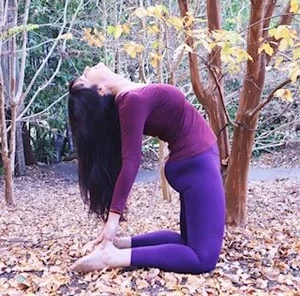
Why Do I Feel Anxious as I Get Older?
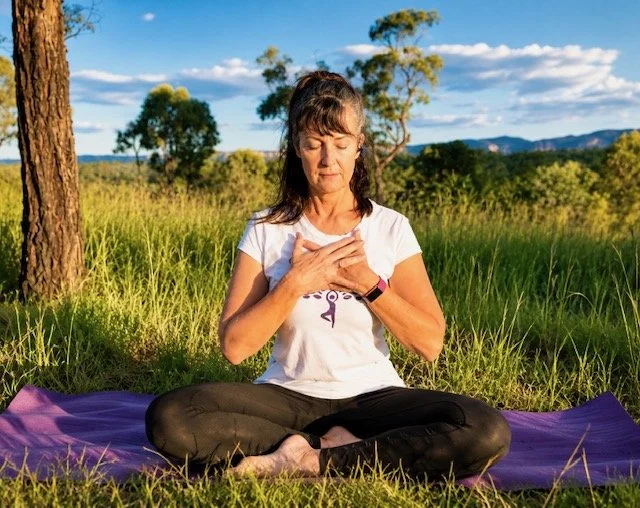
Jodie teaching a live online yoga class with breathing techniques
Feeling More Anxious as You Get Older?
Have you noticed that you feel more anxious, worried, or overwhelmed than you used to?
Perhaps things that once wouldn’t have bothered you now feel harder to deal with. You might find yourself overthinking more, worrying about the future, or simply feeling less able to cope when life becomes busy.
If you’re in your 50s or beyond, there can be many reasons why anxiety feels different at this stage of life.
Changes in sleep, hormones, responsibilities, relationships, work, and health can all play a part. And sometimes several changes are happening at once.
Understanding what may be contributing can be a helpful first step.
Can Anxiety Increase as We Get Older?
Anxiety can affect people at any age, and getting older doesn’t automatically mean you’ll become more anxious.
But midlife and the years beyond can bring significant changes.
You may be dealing with ageing parents, adult children, financial pressures, retirement decisions, changes in relationships, or concerns about your own health and ageing.
For women, perimenopause and menopause can add another layer, with hormonal changes sometimes occurring alongside changes in mood, sleep, and anxiety.
Hormonal Changes and Anxiety in Midlife
For some women, anxiety may appear for the first time or feel different during perimenopause and menopause.
You might notice:
feeling more on edge
worrying more than usual
irritability
difficulty concentrating
changes in confidence
disrupted sleep
feeling overwhelmed more easily
That doesn’t mean every anxious feeling is caused by menopause. Anxiety can have many causes, so new or significant symptoms are worth discussing with your GP.
But recognising that hormonal changes may be one part of the picture can help you approach yourself with greater understanding.
Poor Sleep Can Make Everything Feel Harder
A difficult night’s sleep can affect much more than your energy.
When you’re tired, everyday challenges can sometimes feel bigger. Concentration may be harder, and you may feel more irritable or emotionally sensitive.
Then worry itself can make sleep harder — creating an unhelpful cycle.
If this sounds familiar, you may also enjoy my article How to Calm a Busy Mind Before Bed After 50, where I share some simple ways to create a gentler wind-down routine.
Life Can Feel Different After 50
Our 50s and beyond can be an incredibly positive stage of life, but that doesn’t mean it’s always easy.
There can be a lot of change.
Children may leave home. Parents may need more support. Friendships can change. Careers may shift. Our bodies can feel different.
Sometimes we also begin thinking more deeply about what we want from the next stage of our lives.
That’s a lot for one nervous system to process.
Notice What Your Body Is Telling You
Anxiety isn’t always experienced only as worried thoughts.
You may notice it physically!
For example
tense shoulders
a tight jaw
shallow or faster breathing
difficulty relaxing
restlessness
butterflies in your stomach
feeling constantly “switched on”
Becoming aware of these signals can give you an opportunity to slow down before stress builds further.
Simple Ways to Support a Calmer Mind
There isn’t one perfect technique that works for everybody.
Instead, try building a small collection of things that help you feel more grounded.
This might include:
going for a walk
spending time outside
gentle exercise
yoga or Pilates
slow breathing
meditation or mindfulness
listening to music
gardening
talking with someone you trust
creating some quiet time in your day
maintaining a regular sleep routine
You don’t need to do all of these.
Sometimes one small change is a much better starting point than trying to overhaul your entire life.
Movement Can Help You Get Out of Your Head
When your mind is busy, gentle movement can give your attention somewhere else to go.
Instead of thinking about everything you need to do, you can focus on how your body feels, your breathing, and the movement you’re doing right now.
This is one of the things I love about yoga and Pilates.
It isn’t simply exercise.
For that little part of your day, you have an opportunity to reconnect with yourself.
Meditation Doesn’t Mean Having an Empty Mind
If you’ve tried meditation and thought “My mind is far too busy for this,” you’re not alone.
Meditation isn’t about eliminating every thought.
It’s about noticing when your attention has wandered and gently bringing it back.
You can start with only a couple of minutes.
My Meditation for Beginners Over 50 article has a simple five-minute practice you can try if you’d like some guidance.
Don’t Forget Connection
When we’re anxious or overwhelmed, it’s easy to withdraw.
But connection can be incredibly valuable.
A conversation with a friend, joining a class, going for coffee with someone, or simply being around other people can help us feel less caught up in our own thoughts.
Wellbeing isn’t only about exercise and nutrition.
Feeling connected matters too.
When Should You Ask for Help?
Occasional worry is a normal part of life.
But if anxiety is persistent, becoming difficult to manage, interfering with sleep, or stopping you from doing things you normally enjoy, it’s important to seek professional support.
Your GP is a good place to start. They can help you explore what may be contributing and discuss appropriate support or treatment.
You don’t need to wait until things feel unbearable before asking for help.
Gentle Mind & Body Classes at Kevala Health
At Kevala Health, my approach is about more than simply completing a workout.
My beginner-friendly yoga, Pilates, and movement classes encourage you to slow down, breathe, move mindfully, and work at your own pace.
Classes such as Yin Yoga & Meditation, Breathe & Balance, and Restorative Yoga Flow are particularly lovely if you’re looking for gentler movement alongside relaxation and mindfulness.
You can also explore more articles in my Mind & Wellbeing.
Try Live Online Classes Free for 7 Days
If joining a class in person feels like a big step, starting from home can be a comfortable alternative.
You can try my live online Kevala Health classes free for 7 daysand experience yoga, Pilates, gentle movement, breathing, and relaxation in your own space.
You don’t need to be experienced, flexible, or super fit.
Just start where you are.
A Final Thought
If anxiety feels different as you’re getting older, try not to judge yourself for it.
Our bodies change. Our circumstances change. Our responsibilities change.
Sometimes what helped us cope at 30 isn’t necessarily what we need at 50 or 60.
Pay attention to what your mind and body are telling you, give yourself permission to slow down when you need to, and reach out for support when things feel difficult.
Small steps still count.
This article provides general well-being information only and is not a substitute for medical or mental health advice. If you’re experiencing persistent or worsening anxiety, changes in mood, or other symptoms that concern you, speak with your GP or another qualified health professional.