Why Core Strength Matters After 50
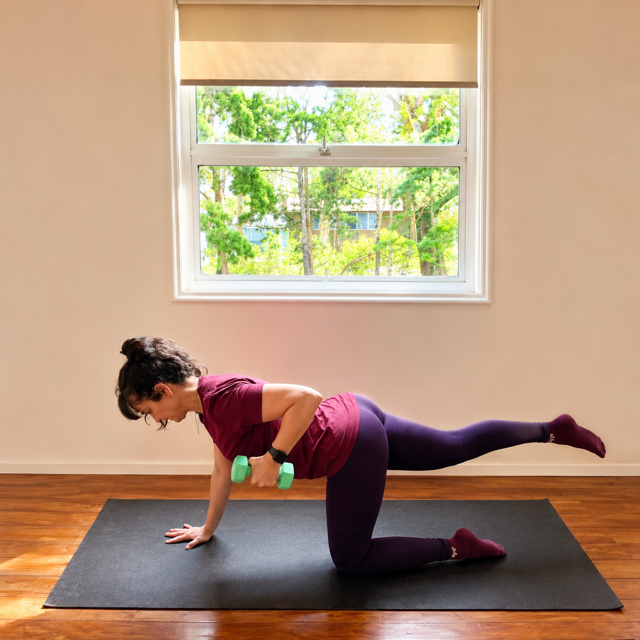
Jodie holding a dumbbell in the Pilates Birddog exercise for core strength
Why Core Strength is Important Not Flat Stomach
When you hear the words “core strength,” what comes to mind?
For many people, it’s images of six-pack abs or endless sit-ups.
But your core is so much more than the muscles you see in the mirror.
A strong core is one of the most important foundations for healthy ageing. It helps you move more comfortably, improves your posture, supports your spine and makes everyday activities easier.
At Kevala Health, I remind my Pilates students that we’re not exercising to achieve the “perfect body.” We’re building strength that helps us enjoy everyday life with confidence.
What Is Your Core?
Your core is a group of muscles that work together to support your spine, pelvis and trunk.
These muscles include:
Deep abdominal muscles
Lower back muscles
Pelvic floor muscles
Diaphragm (your main breathing muscle)
Glute muscles
Hip muscles
Together they create a strong, stable centre that supports almost every movement you make.
Core Strength Becomes More Important After 50
As we age, we naturally lose muscle strength if we don’t challenge our bodies regularly.
A weaker core may contribute to:
Poor posture
Lower back discomfort
Reduced balance
Less confidence when walking
Difficulty getting up from the floor or a chair
Increased risk of falls
The good news is that gentle strength training can help rebuild and maintain these muscles.
Everyday Activities That Use Your Core
You may not realise how often your core works.
It helps you when you:
Stand up from a chair
Carry shopping
Bend down to pick something up
Reach into cupboards
Walk upstairs
Turn around
Garden
Play with your grandchildren
Every movement starts from your centre.
How Pilates Builds Core Strength for Over 50
Pilates focuses on slow, controlled movements rather than rushing through exercises.
You’ll learn how to activate the deep muscles that support your body while improving:
Strength
Balance
Coordination
Stability
Posture
Body awareness
One of the wonderful things about Pilates is that exercises can be adapted for beginners, making them suitable for almost everyone.
Strong Core, Better Posture
Many people notice that they begin to slouch more as they get older.
Poor posture can place extra strain on the neck, shoulders and lower back.
A stronger core helps support better posture, making standing and walking feel easier and more comfortable.
Good posture also helps you breathe more efficiently and move with greater confidence.
Core Strength Supports Balance
Your core acts like your body’s natural stabiliser.
When these muscles become stronger, your balance often improves too.
This is one reason Pilates works so well alongside balance training and regular walking.
Together they help reduce the risk of falls while supporting healthy ageing.
You Don’t Need Hundreds of Sit-Ups
One of the biggest myths about core strength is that you need to do endless abdominal exercises.
In reality, quality is far more important than quantity.
Gentle, well-controlled Pilates exercises can strengthen your core safely without putting unnecessary strain on your neck or back.
Small improvements made consistently often produce the best long-term results.
Final Thoughts
Core strength isn’t about appearance.
It’s about building a body that supports you every day.
Whether you’re lifting groceries, walking around your neighborhood or enjoying time with family, a strong core helps you move with greater ease and confidence.
Healthy ageing is about staying active, independent and enjoying life.
At Kevala Health, my Pilates classes are designed especially for beginners and adults over 50. Through gentle, supportive movement, you’ll gradually build core strength, improve posture and feel stronger in everyday life.
Continue Your Wellness Journey
🧘 Join our 7-day free trial
💪 Explore our Move Better Everyday articles
🌿 Visit the Healthy Ageing Hub