Why Glute Strength Matter More After 50
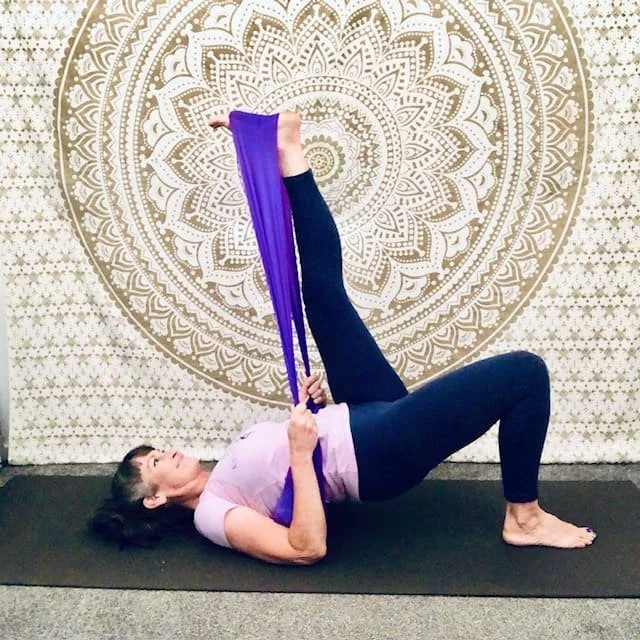
Jodie performing a one-legged bridge with resistance band for stronger glutes
Strong Glutes Matter More After 50
When people think about getting stronger, they often focus on their arms or their abdominal muscles.
But one of the most important muscle groups in your entire body is one you can’t easily see—your glutes.
Your glute muscles (your bottom muscles) play a vital role in almost every movement you make each day. They help you stand up, walk, climb stairs, maintain good posture and keep your body stable.
As we age, these muscles naturally become weaker if we don’t use them regularly. The good news is that they respond very well to gentle strength training, and Pilates is one of the best ways to activate and strengthen them.
What Are Your Glute Muscles?
Your glutes are made up of three muscles:
Gluteus Maximus – your largest and most powerful muscle, helping with standing, climbing stairs and walking.
Gluteus Medius – helps keep your pelvis stable and supports balance.
Gluteus Minimus – assists with hip movement and stability.
Together, these muscles help you move confidently and efficiently every day.
Why Glute Strength Matters After 50
Strong glutes do much more than improve muscle tone.
They can help:
Improve balance.
Support healthy posture.
Reduce strain on the lower back.
Support healthy hips and knees.
Improve walking confidence.
Make climbing stairs easier.
Help prevent falls.
Increase overall stability.
Strong glutes are one of the foundations of healthy ageing.
Signs Your Glutes May Need Strengthening
You may notice:
Difficulty getting up from a chair.
Lower back discomfort.
Wobbly balance.
Knee pain when walking.
Tired legs after short walks.
Poor posture.
Difficulty climbing stairs.
While these symptoms can have many causes, strengthening the muscles that support your hips and pelvis can often make everyday movement feel easier.
How Pilates Helps Strengthen Your Glutes
One of the reasons I love Pilates is that it focuses on quality of movement rather than simply repeating lots of exercises.
Pilates helps activate muscles that many people don’t realise have become weak.
Gentle exercises performed with good technique can gradually build:
Strength
Stability
Balance
Coordination
Posture
Confidence
The aim isn’t to work harder—it’s to move smarter.
Simple Glute Exercises You Can Try
Always move within your own comfort level.
Some gentle Pilates-inspired exercises include:
Bridge
Lying on your back with your knees bent, gently lift your hips before lowering slowly.
This strengthens the glutes, core and hamstrings.
Side Leg Lifts
Lying on your side or standing while holding a chair, slowly lift one leg to the side.
This targets the glute muscles that support balance.
Sit-to-Stand
Sit on a sturdy chair.
Stand up slowly without using your hands if possible.
Lower yourself back down with control.
This is one of the best functional exercises for everyday life.
Standing Leg Extensions
Holding onto a chair for support, gently extend one leg behind you.
Focus on squeezing the glute muscles rather than arching your back.
Small Improvements Add Up
You don’t need long workouts to become stronger.
Just two or three strength sessions each week can help improve muscle strength over time.
Combined with regular walking, stretching and balance exercises, Pilates provides an excellent foundation for healthy ageing.
Final Thoughts
Strong glutes help support almost everything you do—from walking and standing to climbing stairs and maintaining your balance.
The stronger these muscles become, the more confident and capable you may feel in everyday life.
Healthy ageing isn’t about lifting the heaviest weights.
It’s about building strength that helps you continue doing the things you enjoy with confidence.
At Kevala Health, my Pilates classes are designed especially for beginners and adults over 50. Through gentle, supportive movement, you’ll gradually build strength, improve mobility and feel more confident in your body.
Continue your journey with more Healthy Ageing blogs