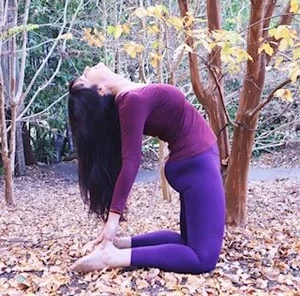
Menopause Changes More Than Your Body
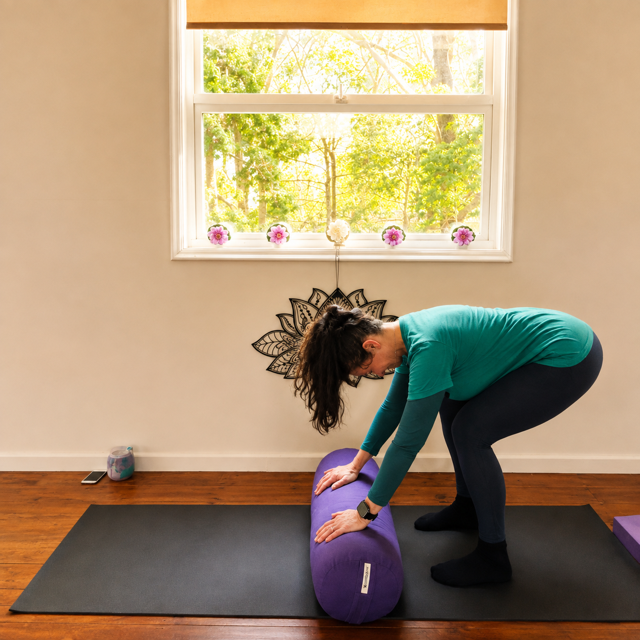
Jodie from Kevala Health teaching a gentle standing forward bend with a yoga bolster!
Menopause Changes More Than Your Body
When most people think about menopause, they often think about hot flushes.
While hot flushes are certainly a common symptom, menopause can affect so much more than our physical body.
For many women, it can also influence emotions, confidence, sleep, memory, motivation and even the way we see ourselves.
Every woman’s experience is different.
Some move through menopause with only a few changes, while others feel as though life has suddenly become unfamiliar.
If that’s how you’re feeling, please know you’re not alone.
It’s not “just hormones”
Hormonal changes during menopause can affect many parts of daily life.
You may notice:
Mood changes
Feeling more emotional than usual
Difficulty coping with stress
Poor sleep
Night-time hot flushes
Brain fog or forgetfulness
Reduced motivation
Changes in weight
Feeling less like yourself
These experiences are real, and they can be frustrating.
Understanding that these changes are common can be the first step towards treating yourself with more kindness and patience.
When everyday stress feels bigger
One thing many women notice is that situations they once managed easily suddenly feel overwhelming.
You may find yourself becoming emotional over small things or feeling as though your usual resilience has disappeared.
That doesn’t mean you’re weak.
It simply means your body is going through a significant transition.
During times like these, slowing down, asking for support and making space for yourself can make a real difference.
Brain fog is more common than you think
Have you ever walked into a room and forgotten why?
Lost your train of thought halfway through a conversation?
Misplaced your keys for the third time that day?
Many women describe this as “brain fog.”
It can be unsettling, but it’s also one of the experiences many women report during menopause.
Simple habits such as getting enough rest where possible, staying active, keeping mentally engaged and reducing unnecessary stress may help you feel more like yourself again.
Looking after yourself isn’t selfish
For many years, women often put everyone else’s needs first.
Family.
Work.
Children.
Partners.
Friends.
By the time menopause arrives, we can be so used to caring for others that we’ve forgotten how to care for ourselves.
This stage of life is a gentle reminder that your wellbeing matters too.
Making time for movement, rest, hobbies and quiet moments isn’t selfish.
It’s an important part of looking after your physical and emotional health.
Finding what helps you
There isn’t one perfect solution.
The important thing is finding healthy habits that support you.
For some women that might be walking.
For others it could be yoga, Pilates, spending time in nature, gardening, meditation, talking with friends or simply making time to breathe.
Small daily habits often have the biggest long-term impact.
A note from Jodie With Menopause
Looking back, one of the first things I noticed wasn’t just the physical changes—it was my emotions.
I found I wasn’t coping with stress as well as I used to.
I also experienced night-time hot flushes, some weight gain and those frustrating moments of brain fog where I simply couldn’t remember things as easily.
Over time, I realised I needed to be kinder to myself instead of expecting everything to stay the same.
Yoga became a place where I could slow down, breathe and reconnect with myself.
Walking my dogs helped clear my mind, while creating my edible garden gave me purpose and something positive to focus on each day.
Perhaps the biggest lesson I learned was that I didn’t have to go through it alone.
Talking with other women helped me realise that many of us share similar experiences.
Sometimes just knowing someone else understands can make all the difference.
You don’t have to navigate menopause alone
Every woman’s journey is unique.
There will be good days and more challenging days.
The important thing is remembering that support is available.
Speak with your healthcare professional if your symptoms are affecting your quality of life.
Talk openly with trusted friends or family.
Connect with other women who understand what you’re experiencing.
Keep moving in ways that feel good for your body.
And most importantly, remember to show yourself the same kindness and compassion that you so readily give to others.
Final thoughts
Menopause is more than a stage of life.
For many women, it’s also a time of reflection, growth and new priorities.
Although it can bring challenges, it can also be an opportunity to reconnect with yourself and discover new ways to care for your health and wellbeing.
You don’t have to have all the answers.
Take one day at a time.
Celebrate the small wins.
Keep moving.
Stay connected.
And remember—you are not alone.
Continue Your Healthy Ageing Journey