Why Does Stress Feel Different After 50?
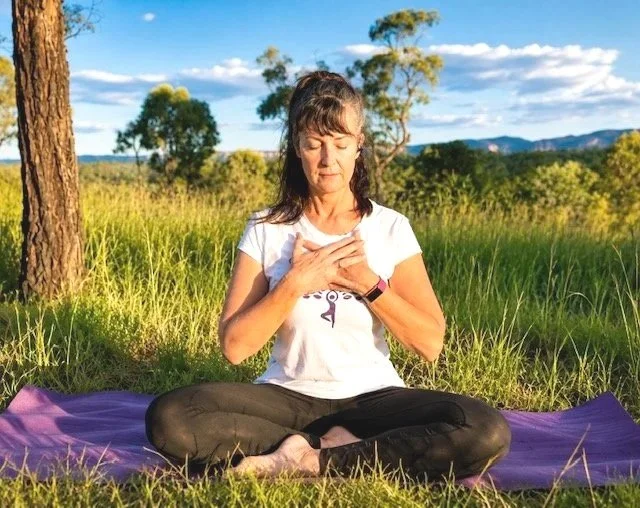
Jodie teaching breathing exercises and meditation for stress relief.
Why Stress Feels Different After 50 For Women
Have you ever felt that you don’t handle stress quite as well as you once did?
Something relatively small happens and suddenly your shoulders are tight, your mind is racing and you feel as though you just can’t switch off.
For many women, this becomes particularly noticeable around perimenopause and menopause.
Hormonal changes, disrupted sleep, family responsibilities, work, ageing parents, relationships and simply having a lot going on can all add to our overall stress load.
And somewhere in the middle of conversations about stress, menopause and ageing, you’ve probably heard another word appearing more and more often:
Cortisol.
But what actually is cortisol?
And is it really the enemy it’s sometimes made out to be?
What Is Cortisol?
Cortisol is often called our stress hormone, but cortisol isn’t actually bad.
Our adrenal glands naturally produce cortisol, and our bodies need it.
It plays important roles in regulating things such as our blood sugar, blood pressure, metabolism, inflammation and our response to stressful situations.
When we experience a threat or stressful situation, our body’s stress response switches on.
Our heart rate may increase.
Our breathing may become faster.
Our muscles tense.
Stress hormones including adrenaline and cortisol are released.
This is our familiar fight-or-flight response.
It’s a brilliant survival system when we genuinely need it.
The problem isn’t that our bodies produce cortisol.
The problem can occur when our stress response seems to be switched on far too often.
Acute Stress Versus Chronic Stress
Not all stress is harmful.
Short bursts of stress are a completely normal part of life.
We might feel stressed before an appointment, while rushing somewhere or when dealing with an unexpected problem.
Our body responds, the situation passes and eventually we settle again.
Chronic stress is different.
This is stress that continues for days, weeks or even months.
Instead of repeatedly moving between activity and recovery, our body may spend too much time feeling as though it needs to remain alert.
Over time, chronic stress has been associated with problems including disrupted sleep, higher blood pressure, changes in blood sugar, increased appetite and other physical and emotional health effects.
This is why learning how to come back down from stress is so important.
What Does Menopause Have to Do With It?
Menopause adds another layer to the picture.
During perimenopause and menopause, our reproductive hormones are changing.
At the same time, many women experience symptoms such as:
sleep disturbances
hot flushes
changes in mood
anxiety
fatigue
changes in concentration
changes in body composition
Research has also looked at how cortisol patterns may change during the menopausal transition.
Some studies have found increases in cortisol among some women during particular stages of menopause, and researchers continue to investigate the relationship between stress, hormonal changes, sleep and menopause.
That doesn’t mean every symptom after 50 is caused by cortisol.
Our bodies are much more complicated than that!
But it does reinforce the importance of looking after our stress levels during this stage of life.
Beware of the “Cortisol” Hype
If you spend any time on social media, you’ve probably seen posts about:
“cortisol belly”
“cortisol detoxes”
“resetting your cortisol”
or foods and supplements supposedly designed to “flush cortisol” from your body.
I think we need to be careful with messages like these.
Cortisol isn’t a toxin that needs to be removed.
It’s an essential hormone.
And having a little extra weight around your middle doesn’t automatically mean you have a cortisol problem.
Body composition can change after menopause for many reasons, including hormonal changes, ageing, activity levels, muscle mass, sleep, nutrition and genetics.
Rather than becoming frightened of cortisol, I think a much healthier approach is to ask:
What can I do to help my body feel safe, rested and supported?
Stress and Sleep Can Become a Cycle
Sleep and stress are closely connected.
When we’re stressed, it can be harder to switch off and sleep.
Then after a poor night’s sleep, everything can feel more difficult the following day.
We’re tired.
We’re less patient.
We may reach for extra coffee or sugary foods.
We may not feel like exercising.
And suddenly we’re caught in a cycle of feeling tired but wired.
This is one reason I believe our evening routines become increasingly important as we get older.
Our bodies need opportunities to slow down.
Movement Can Be Part of Stress Management
Exercise is sometimes portrayed as another job we need to squeeze into an already busy day.
I prefer to think about it differently.
Movement can be one of the ways we look after ourselves.
That doesn’t mean every workout has to be intense.
Walking, Pilates, yoga, strength work, gentle mobility and enjoyable cardiovascular exercise can all have a place.
The important thing is finding movement that suits your body and that you can continue consistently.
Sometimes we need a stronger workout.
Sometimes we need a walk.
And sometimes what our body really needs is gentle movement, breathing and rest.
Learning to recognise the difference is an important part of looking after ourselves after 50.
Don’t Be Afraid of Exercise Because of Cortisol
Another message I sometimes see online is that women in menopause should avoid particular forms of exercise because they “raise cortisol.”
This can make exercise unnecessarily confusing.
Exercise itself is a form of physical stress — and that’s not automatically a bad thing.
Our bodies are designed to respond and adapt to appropriate challenges.
The bigger picture matters.
Are you recovering?
Are you sleeping?
Are you eating enough nutritious food?
Do you enjoy the exercise?
Are you constantly exhausted?
Is your training appropriate for your fitness level?
Rather than being frightened that a workout might temporarily increase cortisol, focus on creating a balanced movement routine that supports your overall health.
Breathing: One of the Simplest Ways to Slow Down
One of my favourite tools for stress doesn’t require equipment, a gym membership or even much time.
It’s something we do every day.
Breathe.
When we’re stressed, our breathing often becomes faster and shallower without us even noticing.
Slowing the breath and allowing the exhale to become relaxed and unforced can be a simple way to create a moment of calm.
Sometimes I’ll simply stop and remind myself:
Just breathe.
You don’t need a complicated breathing technique.
Sit comfortably.
Relax your shoulders.
Breathe gently through your nose if comfortable.
Notice the breath.
Allow yourself a few quiet minutes.
Simple can be incredibly powerful.
Yoga, Meditation and Learning to Slow Down
This is also why yoga and meditation have remained such an important part of my own approach to wellbeing.
They give us permission to stop.
In our busy lives, we’re constantly encouraged to do more.
Move faster.
Achieve more.
Be productive.
Keep going.
But healthy ageing isn’t only about how much we can do.
It’s also about learning when to slow down and recover.
A gentle yoga practice, a few minutes of meditation or simply lying quietly and focusing on your breathing can become part of that recovery.
Small Ways to Reduce Your Daily Stress Load
Stress management doesn’t need to mean completely changing your life.
Start small.
Try:
taking a short walk outside
spending time in the garden
moving your body regularly
practising gentle yoga
doing a few minutes of slow breathing
protecting your sleep routine
spending time with people who make you feel good
taking breaks from screens and constant information
sitting outside with a cup of tea or coffee
doing something simply because you enjoy it
None of these things needs to be perfect.
They’re simply opportunities to give your nervous system a break from constantly doing.
Healthy Ageing Isn’t About Stopping Stress
We will never remove stress completely from our lives.
And that shouldn’t be the goal.
Life happens.
There will always be difficult days, busy periods and things outside our control.
For me, the goal is becoming better at recognising when I need to slow down.
Sometimes that means movement.
Sometimes it means breathing.
Sometimes it’s yoga or meditation.
Sometimes it’s spending time outside.
And sometimes it’s simply reminding myself:
It’s OK. Let it go. Just breathe.
Those small moments of recovery matter.
The Bottom Line
Cortisol isn’t the enemy.
It’s an essential hormone that helps our bodies respond to life’s challenges.
But when stress becomes ongoing and we rarely give ourselves time to recover, it can affect both our physical and emotional wellbeing.
For women over 50 — particularly through perimenopause and menopause — looking after stress, sleep, movement and recovery is an important part of looking after our overall health.
You don’t need to “detox” your cortisol.
You don’t need another complicated wellness routine.
Sometimes we simply need to become better at listening to our bodies.
Move when you need to move.
Rest when you need to rest.
And when everything feels a little too much…
Just breathe.
Looking for a Gentler Way to Move?
At Kevala Health, my yoga, Pilates and wellbeing classes are designed to help you build strength, mobility and confidence while also learning when your body needs to slow down.
Whether that’s gentle yoga, Pilates, breathing, meditation or simply taking some time for yourself, the aim isn’t perfection.
It’s about supporting your body for the years ahead.
Explore my Yoga Classes, Pilates Classes or visit the Healthy Ageing Hub for more practical information about moving and feeling well after 50.
If you’re experiencing persistent stress, anxiety, sleep problems or symptoms that are affecting your everyday life, speak with your doctor or an appropriate health professional.
Continue Your Healthy Ageing Journey: