Beginner’s Guide to Yoga After 60
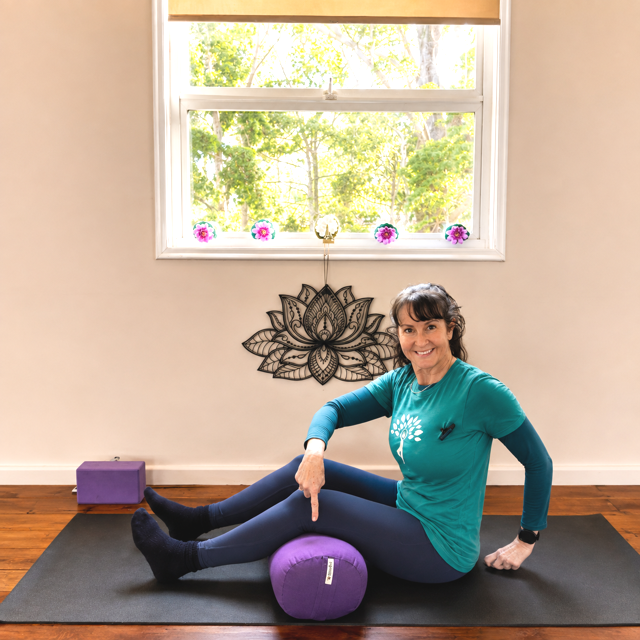
Jodie teaching a gentle seated forward bend in yoga class for all ages.
How to Start Yoga Safely After 60
Thinking about trying yoga in your 60s, but not sure where to begin?
You might wonder whether you’re flexible enough, fit enough, or simply too old to start. The good news is that you can begin yoga at almost any age, and you don’t need to be able to touch your toes or perform complicated poses to enjoy it.
For adults over 60, beginner-friendly yoga can be a gentle way to work on flexibility, balance, strength, mobility, and relaxation while learning to move at a pace that feels right for your body.
The key is choosing the right style of yoga and giving yourself permission to start slowly.
Can You Start Yoga After 60?
Absolutely.
Many people discover yoga later in life, including people who haven’t exercised regularly for years.
A beginner yoga practice doesn’t need to involve difficult poses or fast sequences. It can include simple standing and floor-based movements, breathing exercises, gentle stretches, and relaxation.
If you’re returning to exercise after a long break, start gradually and listen to your body. If you have an injury, medical condition, or concerns about beginning a new form of exercise, speak with your healthcare professional first.
What Are the Benefits of Yoga After 60?
As we get older, maintaining movement becomes increasingly important.
A regular yoga practice can help you work on:
flexibility and everyday mobility
balance and body awareness
muscular strength
posture
breathing
relaxation and stress management
confidence with movement
Yoga also gives you something that can sometimes be forgotten in exercise — time to slow down and reconnect with your body.
It doesn’t have to be about pushing harder. Sometimes the goal is simply to move, breathe, and feel good.
Do You Need to Be Flexible to Start Yoga?
No.
This is one of the biggest misconceptions I hear from beginners.
You don’t become flexible before starting yoga. Improving flexibility and mobility can be part of the reason you practise yoga in the first place.
Everyone’s body is different, and poses can be modified to suit your individual range of movement.
Blocks, bolsters, and other props can also make poses more comfortable and accessible.
Your yoga practice should meet your body where it is today.
What Type of Yoga Is Best for Beginners Over 60?
There isn’t one style that suits everyone.
If you’re new to yoga after 60, look for classes that are beginner-friendly, gentle, and adaptable rather than choosing a class simply because it says “yoga”.
At Kevala Health, I teach several styles that allow you to explore yoga in different ways.
Breathe & Balance Yoga Class
A gentle combination of standing and floor-based yoga, with a focus on movement, balance, breathing, and relaxation.
This can be a lovely choice if you want to improve mobility and balance while enjoying a calmer style of exercise.
Restorative Yoga Flow Yoga Class
This class combines gentle flowing movements with slower restorative poses.
The first part allows your body to move and stretch before transitioning into a quieter practice with relaxation, meditation, and sound healing.
Yin Yoga Meditation Yoga Class
Yin Yoga is slower and predominantly floor-based, with poses generally held for longer periods.
My Yin Yoga Meditation classes also incorporate meditation and sound healing, creating space to slow down, relax, and unwind.
Beginners are welcome, and props and modifications can be used where appropriate.
What Do You Need for Your First Yoga Class?
You don’t need lots of expensive equipment.
For most beginner yoga classes, start with:
A comfortable yoga mat
Clothing that you can move easily in
A yoga block, Bolster, or cushion is recommended
A willingness to go at your own pace
If you’re practising online at home, having a sturdy chair nearby can also be useful for additional support when needed.
Most importantly, you don’t need to arrive knowing what you’re doing.
That’s what a beginner class is for.
5 Tips for Starting Yoga After 60
1. Start gently
Your first goal doesn’t need to be doing every pose perfectly.
Give yourself time to learn the movements and discover what feels comfortable.
2. Don’t compare yourself with anyone else
Every person in a yoga class brings a different body, history, and level of experience.
Yoga isn’t a competition.
3. Use modifications
A modified pose isn’t a lesser version of yoga.
Using a block, bending your knees, reducing your range of movement, or choosing a different position can help you practise in a way that suits you.
4. Listen to your body
There is a difference between feeling a comfortable stretch and feeling pain.
You should always feel able to ease out of a movement or rest when you need to.
5. Be consistent rather than perfect
You don’t need to practise yoga every day.
A regular, manageable routine is often more realistic than doing too much at the beginning and then giving up.
How Often Should Beginners Over 60 Do Yoga?
There is no perfect number that suits everyone.
If you’re completely new to yoga, you might begin with one or two classes a week and see how your body responds.
You can gradually add more movement as your confidence and familiarity increase.
Even short periods of gentle stretching, breathing, or relaxation between classes can help you develop a regular practice.
The aim is to create something you enjoy and can realistically maintain.
What If You Have Stiff Joints or Poor Balance?
Being stiff or having difficulty with balance doesn’t automatically mean yoga isn’t for you.
In fact, these are common reasons people become interested in gentle yoga as they get older.
Choose a class where modifications are encouraged and never feel pressured to force your body into a position.
For balance exercises, using a wall or sturdy chair for support can be a sensible option.
If getting down to or up from the floor is difficult, talk with your instructor before class so you can discuss suitable alternatives.
Is Online Yoga Suitable for Beginners Over 60?
For many people, online yoga can be a comfortable way to start.
You can practise from home without worrying about keeping up with everyone around you, and you have your own space to use props and modifications.
Live online classes also give you the structure and connection of attending a class, rather than relying solely on prerecorded workouts.
At Kevala Health, my live online yoga classes are available Australia-wide, so you can join me from home.
Try 7 Days of Live Online Yoga & Pilates Free
If you’re new to Kevala Health, you can try 7 days of live online classes free.
It gives you the opportunity to experience different classes and discover what feels right for you before deciding whether you’d like to continue.
You can also explore my current classes, times, and options here:
Starting Yoga Later in Life
Starting yoga after 60 isn’t about trying to move the way we did at 20 or keeping up with somebody else.
It’s about supporting the body you have now.
Start gently. Use modifications. Rest when you need to. And give yourself time to become comfortable with the movements.
A yoga practice can grow with you — and your 60s can be a wonderful time to begin.