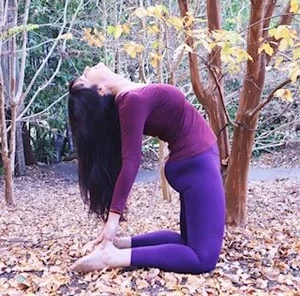
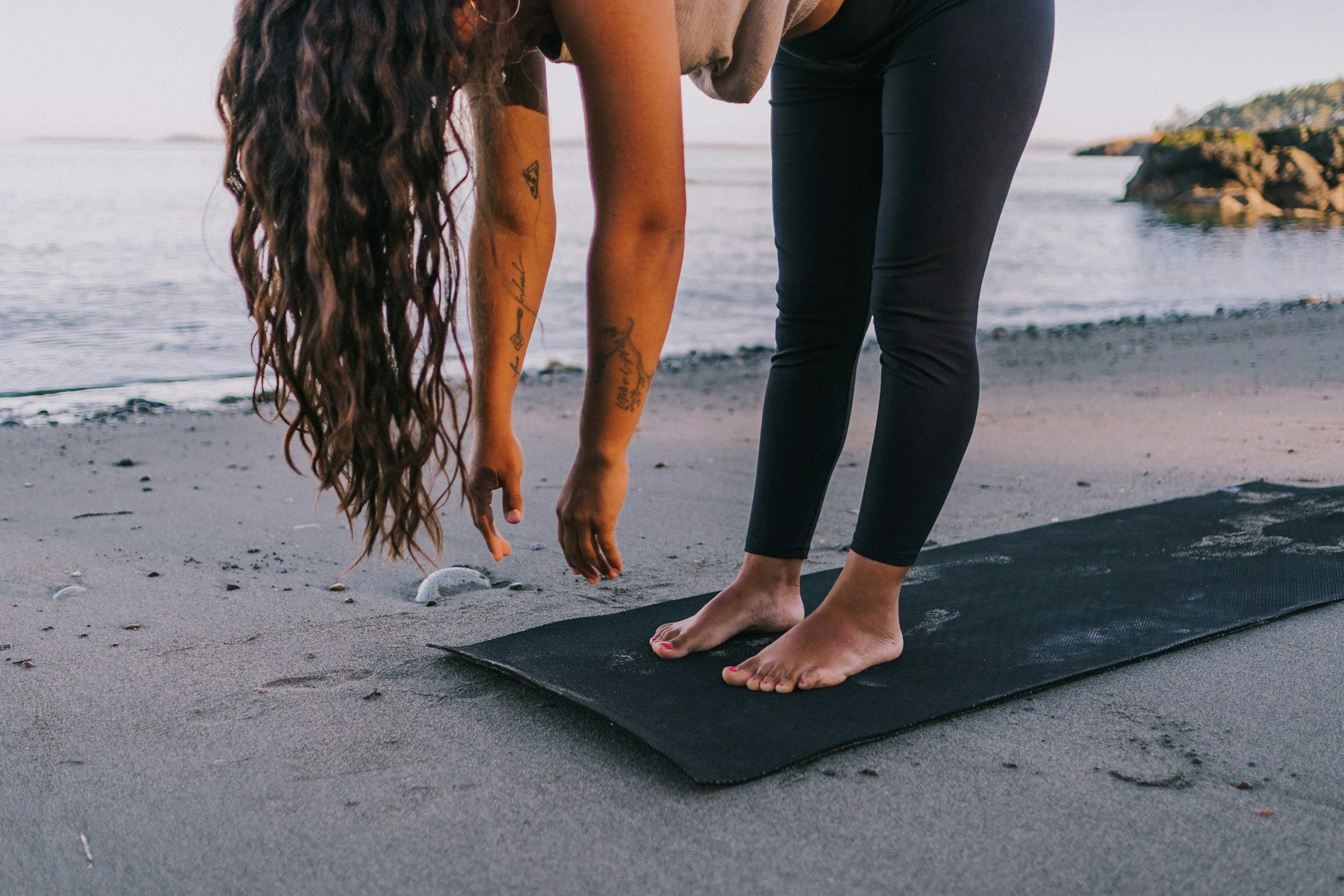
A gentle seated forward bend to stretch the back body
The Biggest Yoga Myth—Busted
One of the most common reasons people avoid trying yoga is because they believe they’re “not flexible enough.”
The truth is, you don’t need to be flexible to begin yoga. In fact, many people start yoga because they want to improve their flexibility—not because they already have it.
Yoga is about working with the body you have today. With regular practice, you’ll gradually become stronger, more mobile and more confident in your movement.
Everyone starts somewhere
If you’ve never done yoga before, it’s natural to feel a little nervous.
You may worry that you won’t be able to touch your toes, balance on one leg or keep up with the class.
The good news is that yoga isn’t a competition. Every person has different strengths, limitations and goals.
Your practice is about your own progress—not comparing yourself to anyone else.
When I first started teaching yoga, many people would apologize because they weren’t flexible enough. Over the years I’ve watched hundreds of beginners discover that flexibility isn’t where you start - it’s something that develops with gentle, regular practice. Some of my students over 50 are amazed at how much easier everyday movements become after just a few weeks.
Flexibility develops over time
As you practice yoga, your muscles, joints and connective tissues gradually become more mobile.
You may begin to notice simple improvements, such as:
Reaching down more comfortably
Standing taller
Moving with less stiffness
Feeling more comfortable getting up from the floor
Greater ease in everyday activities
These changes happen gradually with regular, gentle practice.
Yoga is about much more than stretching
While flexibility is one benefit, yoga also helps improve:
Strength
Balance
Posture
Mobility
Breathing
Relaxation
Body awareness
Many beginners are surprised to discover that yoga can be physically strengthening as well as calming.
Yoga Builds Confidence too
One of the biggest changes I see isn’t just improved flexibility - it’s confidence. Students begin to trust their bodies again, feel steadier on their feet and become less worried about trying new movements!
Your balance will improve and this reduces the risk of falls and make everyday activities feel easier.
Use props to support your practice
Props make yoga more comfortable and accessible for every body.
Blocks, straps, bolsters and blankets can help you perform poses safely while working within your current range of movement.
Using props isn’t a sign that you’re doing yoga “wrong.” Even experienced yogis use them to improve alignment and comfort.
Listen to your body
One of the most valuable lessons yoga teaches is to listen to your body.
Some days you’ll feel more flexible than others, and that’s completely normal.
Rather than forcing a stretch, focus on moving gently and breathing steadily.
Progress comes from consistency, not pushing beyond your limits.
How Long Does it Take to Become More Flexible?
Everyone is different, but many people notice small improvements within a few weeks of practicing regularly. The goal isn’t perfect flexibility - it’s feeling stronger, moving more comfortably and enjoying the process.
Yoga really is for everybody
Whether you’re 30 or 70, active or returning to exercise after many years, yoga can be adapted to suit your needs.
The goal isn’t to achieve perfect poses—it’s to improve how you feel, move and live each day.
Ready to discover what your body can do?
Our live online yoga classes are designed especially for beginners.
With plenty of modifications and the use of blocks, bolsters, blankets and straps, you’ll feel supported from your very first class.
Start your FREE 7-day trial today and experience how yoga can help you build flexibility, strength and confidence—no matter where you’re starting from.
Continue Your Healthy Ageing Journey
If you found this article helpful, explore these related articles from our Healthy Aging Hub to support your health, mobility and wellbeing.