Strength Training is About More Than Muscles
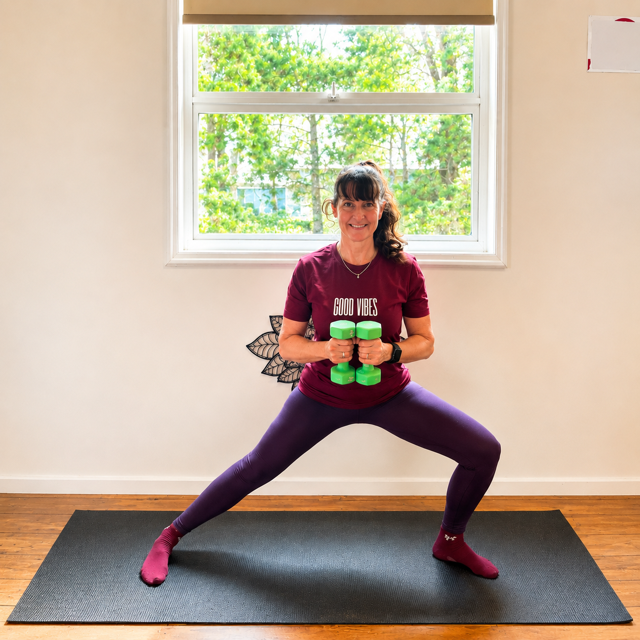
Jodie teaching Pilates with hand weights to strengthen the core, hips, legs and brain!
Strength Training Helps Brain Health
When we think about strength training, we often think about building stronger muscles, maintaining bone strength or being able to lift things more easily.
But there is another reason I believe staying strong as we age is so important — our brain health.
Research into dementia prevention and healthy ageing continues to grow, and physical activity is increasingly recognised as one of the lifestyle factors that may help reduce our risk of cognitive decline.
That doesn’t mean exercise can guarantee that we won’t develop dementia.
It does mean that keeping our bodies active and strong may be one of the positive things we can do to support both our body and our brain as we get older.
And the good news?
You don’t need to become a bodybuilder or lift extremely heavy weights to start getting stronger.
What Does the Research Say About Exercise and Dementia?
In 2026, the World Health Organization released updated guidelines on reducing the risk of cognitive decline and dementia.
The guidelines highlight physical activity as part of a broader approach to reducing dementia risk, alongside things such as maintaining cardiovascular and metabolic health, staying socially and cognitively active, eating well and avoiding smoking.
WHO reports that up to 45% of dementia risk is associated with potentially modifiable factors.
Physical inactivity is one of those factors.
This is an important message because while we cannot control everything about how we age — including our genetics — there are lifestyle choices that may help support our long-term health.
Where Does Strength Training Fit In?
Strength training, sometimes called resistance training, simply means asking your muscles to work against some form of resistance.
That resistance could come from:
hand weights
resistance bands
Pilates equipment such as balls and bands
your own body weight
everyday activities that challenge your muscles
Researchers are increasingly interested in whether resistance exercise can benefit the ageing brain as well as the ageing body.
Some studies in older adults have found positive changes in aspects of cognitive function and have investigated possible effects on areas of the brain involved in memory and learning.
However, the research is still developing.
So rather than saying “strength training prevents dementia,” I prefer to think of it this way:
Strength training can be one part of a brain-healthy lifestyle.
Stronger Body, Healthier Brain
One of the interesting things about brain health is that many of the things that are good for our body are also good for our brain.
Regular exercise can help support:
Heart and blood vessel health
A healthy cardiovascular system helps supply the brain with the oxygen and nutrients it needs.
Blood sugar management
Diabetes is one of the health conditions associated with increased dementia risk, so supporting healthy blood sugar is important as we age.
Healthy blood pressure
Managing high blood pressure is another recognised part of reducing dementia risk.
Mobility and independence
Maintaining strength makes everyday movement easier and can help us continue doing the things we enjoy.
Balance and confidence
Strong muscles help support balance, stability and confidence in movement.
And there is another benefit I see all the time in my classes — exercise gets us thinking and learning.
Exercise Challenges Your Brain Too
When you’re learning a Pilates exercise, following a sequence, coordinating your arms and legs, maintaining your balance or remembering which movement comes next, your brain isn’t sitting there doing nothing!
You’re concentrating.
You’re coordinating.
You’re responding.
You’re learning.
Movement can involve both physical and mental stimulation.
This is one reason I love teaching people different forms of exercise rather than believing there is one “perfect” type of movement.
Pilates, resistance exercises, balance work, walking, yoga and cardiovascular exercise can all bring something different to our healthy-ageing toolbox.
Why Strength Becomes Even More Important After 50
As we get older, we naturally begin to lose muscle mass and strength unless we actively work to maintain it.
This is one of the reasons I encourage people over 50 to include some form of resistance or strengthening exercise in their week.
For me, strength training after 50 isn’t about trying to look 25 again.
It’s about being able to:
get up and down from the floor,
carry the shopping,
work in the garden,
travel,
play with grandchildren,
maintain our balance,
and continue living independently.
If looking after our muscles may also contribute to looking after our brain, that’s another very good reason to keep moving.
Strength Training Doesn’t Have to Mean a Gym
This is something I think many beginners need to hear.
You don’t necessarily need a gym membership or a rack of heavy weights.
Resistance training can be surprisingly simple.
In my Pilates classes, for example, we might use light hand weights, resistance bands, soft balls or our own body weight.
The aim isn’t to lift the heaviest weight possible.
It’s to provide enough resistance to challenge the muscles safely and gradually.
For someone who hasn’t exercised for a long time, even relatively simple movements can be a great place to start.
As your strength and confidence improve, the resistance can gradually increase.
Don’t Forget Cardio, Balance and Flexibility
Although this article focuses on strength training, I wouldn’t recommend doing strength work and ignoring everything else.
Our bodies benefit from variety.
Cardiovascular exercise supports heart and circulatory health.
Strength training helps maintain muscles, bones and physical function.
Balance exercises can help us remain stable and confident.
Yoga and mobility work can help us maintain movement and flexibility.
And breathing, relaxation and meditation can help us manage stress and slow down.
This is why I personally enjoy combining different types of movement throughout my week.
Healthy ageing isn’t about finding one magical exercise.
It’s about creating a lifestyle that keeps us moving, learning, connecting and looking after ourselves.
What About Social Connection?
There’s another part of healthy ageing that we sometimes overlook.
Connection matters too.
Social isolation is also recognised as a potentially modifiable dementia-risk factor.
This is one of the things I love most about group exercise classes.
Yes, we’re exercising our bodies.
But we’re also talking, laughing, learning new things and connecting with other people.
Sometimes the benefits of a class extend well beyond the exercises themselves.
It’s Never About Being Perfect
If you’re over 50 and haven’t exercised for years, reading about healthy ageing can sometimes feel overwhelming.
Lift weights.
Walk more.
Eat well.
Sleep well.
Reduce stress.
Look after your heart.
Keep your brain active.
It can start sounding like another enormous list of things we’re supposed to do perfectly!
I don’t believe that’s helpful.
Start with one small thing.
Pick up some light weights.
Try a beginner Pilates class.
Go for a walk.
Practise a few balance exercises while standing near a bench.
Then gradually build from there.
Something is always better than nothing.
My Approach to Strength and Healthy Ageing
After more than 20 years of teaching movement and wellness, my focus has changed.
I’m less interested in exercise being about how our bodies look and much more interested in what our bodies allow us to keep doing.
I want to be strong enough to keep teaching.
I want to move confidently.
I want good balance.
I want to stay independent.
And yes — I want to do everything I reasonably can to look after my brain as well as my body.
We can’t control every aspect of ageing.
But movement is something we can do.
And that makes it incredibly powerful.
The Bottom Line
Strength training cannot guarantee that you won’t develop dementia, and it shouldn’t be presented as a treatment or cure.
But current evidence supports physical activity as an important part of reducing the risk of cognitive decline and dementia.
Strength training also provides many other benefits that become increasingly important after 50 — including maintaining muscle, balance, mobility and independence.
So perhaps we need to change the way we think about lifting weights.
We’re not simply training our muscles.
We’re investing in our future health.
One small movement at a time.
Ready to Start Moving?
At Kevala Health, my classes are designed to make movement approachable, particularly for beginners and people over 50.
You don’t have to already be strong or flexible to start.
You simply start where you are and gradually build from there.
Explore my Pilates classes, including Pilates with hand weights and Pilates with balls and bands, or visit the Healthy Ageing Hub for more practical information about staying strong, mobile and confident as you age.
Always speak with your doctor or health professional before starting a new exercise program if you have a medical condition, injury or concerns about your health.
Continue Your Healthy Ageing Journey: