Why We Stop Exercising After 50
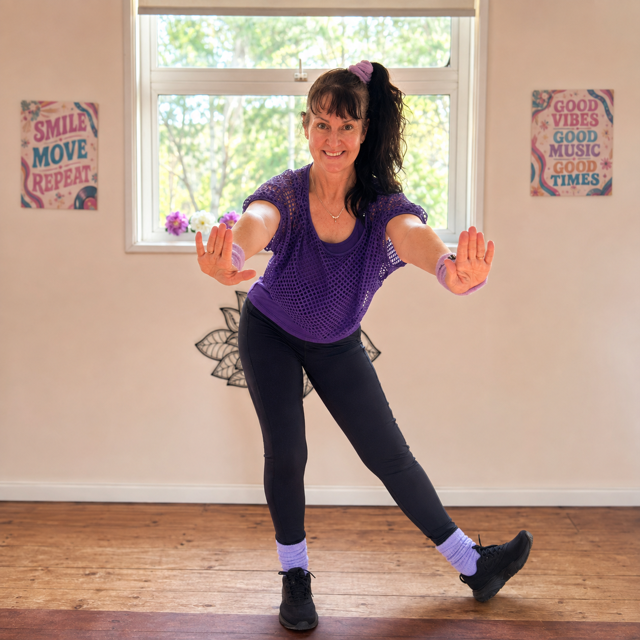
Retro cardio sculpt class available live online and on Russell Island
Why We Stop Exercising After 50 (And How to Start Again)
How to Restart Exercising After 50
Have you ever caught yourself thinking…
“I’m too old to start now.”
“Everyone else will be fitter than me.”
“I’ve left it too late.”
If so, I want you to know something.
You’re not alone.
These are some of the most common things I hear from women before they attend their very first class with me.
The surprising thing?
A few weeks later they’re often smiling, moving more comfortably and wondering why they waited so long.
So why do so many of us stop exercising after 50?
Let’s talk about it.
Life gets busy
Many women spend years putting everyone else first.
We raise children.
Support partners.
Care for ageing parents.
Work.
Run households.
Volunteer.
Somewhere along the way our own health quietly slips down the priority list.
One missed week turns into months… then years.
Before we know it, starting again feels overwhelming.
Menopause changes more than our bodies
Menopause can affect far more than hot flushes.
Many women experience:
● Lower energy
● Poor sleep
● Joint aches
● Weight changes
● Anxiety
● Reduced confidence
● Mood changes
When you’re already feeling tired, the thought of exercising can feel impossible.
Ironically, regular movement is one of the best things we can do to support both our physical and emotional wellbeing during this stage of life.
We lose confidence
This is perhaps the biggest reason of all.
Many women worry:
“I’ll be the oldest there.”
“Everyone will know what they’re doing except me.”
“I’m not flexible enough.”
“I’m too unfit.”
“People will judge me.”
I completely understand those fears.
But here’s what I’ve discovered after teaching for many years…
Most people are far more focused on themselves than on anyone else.
And every single experienced exerciser was once a beginner too.
Past injuries can make us fearful
If you’ve experienced back pain, sore knees, shoulder injuries or other health challenges, it’s natural to feel cautious.
The answer isn’t usually to stop moving altogether.
It’s finding the right type of movement for your body.
Gentle, guided exercise can often help improve strength, flexibility and confidence while respecting your individual needs.
Always listen to your healthcare professional’s advice and work within your own comfort level.
We compare ourselves to who we used to be
This one is very common.
You remember being able to run.
Touch your toes.
Lift heavier weights.
Move without stiffness.
It can be frustrating when your body doesn’t respond the same way it did twenty years ago.
Instead of comparing yourself with your younger self, try comparing yourself with where you were last month.
Small improvements are still wonderful achievements.
Social media doesn’t always help
It’s easy to believe everyone else is effortlessly fit.
We see perfect photos and intense workouts online.
What we don’t see are the people quietly taking small steps every day.
Healthy ageing isn’t about looking perfect.
It’s about feeling strong enough to enjoy life.
The secret is to start smaller than you think
One of the biggest mistakes people make is trying to change everything overnight.
Instead, begin with something manageable.
You might:
● Walk for 15–20 minutes.
● Join one gentle class each week.
● Stretch while watching television.
● Practise a few balance exercises while waiting for the kettle to boil.
● Spend five minutes focusing on your breathing.
Small, consistent habits almost always lead to lasting results.
Find movement you actually enjoy
Exercise shouldn’t feel like a punishment.
When you enjoy moving, you’re much more likely to keep doing it.
Maybe that’s:
● Walking with a friend.
● Gentle yoga.
● Pilates.
● Swimming.
● Gardening.
● Dancing around the kitchen.
● A fun low-impact cardio class with great music.
The best exercise is the one you’ll happily come back to next week.
A note from Jodie
One of the reasons I started Kevala Health was because I wanted women to feel confident in their own bodies again.
I know life changes.
I’ve experienced many of those changes myself, including the ups and downs that come with menopause.
That’s why my classes aren’t about being the fittest person in the room.
They’re about creating a supportive space where you can move safely, build confidence and enjoy the journey.
Everyone starts somewhere.
And every person who walks through my door has already taken the hardest step—they’ve decided to begin.
Final thoughts
If you’ve stopped exercising, please don’t be hard on yourself.
Life happens.
Our priorities change.
Our bodies change.
But it’s never too late to begin again.
You don’t need to be perfect.
You don’t need expensive equipment.
You don’t need to exercise every day.
You simply need to take one small step.
That first walk.
That first stretch.
That first class.
A year from now, you’ll be grateful you started today.
Continue Your Healthy Ageing Journey with More Great Reading:
● Future-Proof Your Body After 50